- Key Takeaways
- Is Real Estate The Right Career For You?
- Essential Skills For Real Estate Success
- Smart Positioning Matters More Than Spin
- Charisma Still Counts, But Trust Closes Deals
- What The Job Really Looks Like
- Technology Is Now Part Of The Skill Set
- How To Prepare Before You Start
- Further Guidance & Tools
- Next Steps
- Final Words
- Additional Resources
We may earn a commission if you click on a product link and make a purchase at no additional cost to you. For more information, please see our disclosure policy.
Last updated: July 27, 2026

By Mark Fiebert
Key Takeaways
- People Skills Matter: Real estate rewards clear communication, active listening, ethical persuasion, and the ability to guide clients through stressful decisions.
- Trust Beats Spin: Successful agents do not hide problems; they explain risks, disclosures, timelines, and next steps with professionalism.
- Local Knowledge Wins: Strong agents understand neighborhood pricing, buyer behavior, financing realities, school zones, inspections, and local market movement.
- Technology Is Required: Modern agents rely on CRMs, digital documents, listing platforms, social media, virtual tours, and AI-assisted workflows.
- Income Can Vary: Commission-based work requires persistence, budgeting discipline, follow-up systems, and a realistic plan for slow periods.
Is Real Estate The Right Career For You?
Certain careers fit certain strengths better than others. Real estate is one of them. The real estate industry can be rewarding, flexible, and entrepreneurial, but it is not an easy-money career. It requires licensing, market knowledge, disciplined follow-up, strong ethics, and the ability to manage uncertainty.
The best agents are not simply charming salespeople. They are trusted guides who help buyers and sellers make expensive, emotional, and legally significant decisions. If you are considering this path, focus less on whether you “like houses” and more on whether you can handle prospecting, negotiation, documentation, client expectations, and long sales cycles.
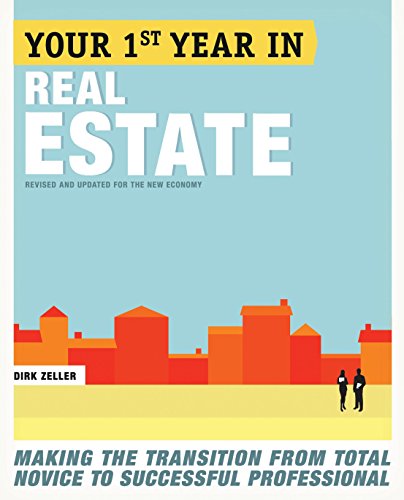
Dirk Zeller shares key strategies for new agents, covering company selection, networking, online marketing, and goal setting for real estate success.

Essential Skills For Real Estate Success
- Communication: Mastery in verbal and written communication helps you explain offers, contingencies, timelines, inspection issues, and client options clearly.
- Networking: Building a reliable network of contacts helps you find referrals, vendors, mentors, buyers, sellers, lenders, inspectors, and local business partners.
- Market Knowledge: You need to understand pricing, comparable sales, inventory, buyer demand, mortgage conditions, local regulations, and neighborhood-level differences.
- Technology: Real estate now depends on listing platforms, digital forms, e-signatures, CRM systems, social media, virtual tours, drone photography, and AI-assisted marketing.
- Negotiation: The ability to negotiate affects price, repairs, credits, timing, contingencies, and whether a deal survives pressure.
- Organization: Keeping track of appointments, forms, disclosures, deadlines, follow-ups, and client communications prevents costly mistakes.
- Problem-Solving: Real estate transactions often hit obstacles, so agents must solve problems calmly and quickly.

Motion increases productivity by 137%. With automation and AI that intelligently plan your day, schedule meetings, and build the perfect to-do list.
Smart Positioning Matters More Than Spin
Why does a real estate agent need strategic thinking? Because every property has a story, and your job is to present that story honestly while helping the right buyers recognize the value. A smaller home should not be misrepresented, but it can be positioned as efficient, low-maintenance, and practical for a buyer seeking simplicity, affordability, or a quieter lifestyle in retirement.
Good positioning starts with truth. If a property has limitations, the professional approach is to understand disclosure requirements, document known issues, and help clients address concerns directly. Problems such as asbestos, water damage, structural issues, or outdated systems should never be hidden or avoided. Ethical agents protect their clients, their licenses, and their reputations by encouraging proper disclosure and involving qualified inspectors, attorneys, or specialists when needed.
Charisma Still Counts, But Trust Closes Deals
Buyers and sellers want to work with someone they trust. Personality helps, but professionalism matters more. A strong agent asks better questions, listens carefully, explains trade-offs, and stays composed when negotiations become tense. Clients often remember whether you made them feel informed, respected, and protected.
Many agents work on commission, so income can be uneven, especially early on. A commission advance from a company such as Nationwide Commission Advance may help in some situations, but it is not a substitute for budgeting, lead generation, and a consistent pipeline. If you cannot handle delayed income, slow months, and repeated follow-up, the business can become stressful quickly.

A high-precision laser distance meter with seven measurement modes, flexible unit switching, backlit display, 100-record memory, mute function, and a full accessory kit for versatile indoor measuring tasks.
What The Job Really Looks Like
Real estate is not just about showing attractive homes. Much of the work happens before and after showings: prospecting, preparing listing materials, responding to leads, reviewing forms, coordinating inspections, following up with lenders, checking deadlines, managing emotions, and solving last-minute problems. You are selling service, judgment, and reliability as much as property.
The job also requires self-direction. New agents often underestimate how much time is spent finding clients before any commission is earned. Building a reputation takes consistency, local visibility, referral relationships, and proof that you can handle transactions well from first conversation through closing.
Technology Is Now Part Of The Skill Set
Modern agents need more than a phone and a friendly pitch. Clients expect fast responses, polished listings, accurate digital documents, strong online visibility, and smooth communication. AI tools can help draft listing descriptions, organize follow-up, summarize notes, and support marketing, but they do not replace judgment, compliance, or local expertise.
- CRM Systems: Track leads, past clients, follow-ups, referrals, and transaction stages so opportunities do not disappear.
- Digital Marketing: Use listing photos, video, social media,
email , and local content to build visibility and trust. - Transaction Tools: Stay comfortable with e-signatures, document storage, calendars, forms, and deadline tracking.
- AI Assistance: Use AI for drafts and organization, but review everything for accuracy, fairness, and compliance.

A compact, shockproof, and water-resistant EVA carrying case made specifically for the Anker 25,000mAh 165W power bank, with secure straps, accessory storage, and quick-access dual zippers.
How To Prepare Before You Start
Before entering the field, research your state’s licensing requirements, education rules, exam process, brokerage options, and ongoing continuing education obligations. Talk with working agents about expenses, lead generation, brokerage splits, mentorship, technology costs, and how long it realistically took them to earn a steady income.
You should also decide which market or client base suits you best. Residential sales, rentals, investment properties, luxury homes, relocation, commercial real estate, and property management require different skills and networks. A focused entry plan is better than trying to serve everyone from day one.
Further Guidance & Tools
- Career Outlook: The BLS real estate career profile explains duties, pay factors, training expectations, and employment outlook.
- Ethics Standards: The NAR Code of Ethics helps agents understand professional duties and client-centered conduct.
- Disclosure Basics: This seller disclosure guide explains why accurate property information matters in real estate transactions.
- Technology Trends: The NAR technology overview highlights tools agents use to stay competitive.
- Licensing Research: The ARELLO licensee resource can help readers understand real estate licensing oversight and verification.

If however you aren't sitting on a pile of cash, you have no choice but to hit the ground running the minute you are licensed. This short and simple guide will teach you how. Right now, with Before You Are Licensed
Next Steps
- Check Licensing: Review your state’s real estate licensing requirements before paying for classes or choosing a school.
- Interview Agents: Ask working agents about startup costs, income timing, brokerage support, lead generation, and daily workload.
- Build Systems: Set up a simple CRM, calendar, task manager, and follow-up process before handling active clients.
- Study Ethics: Learn disclosure rules, fair housing basics, advertising standards, and when to involve qualified professionals.
- Plan Cash Flow: Prepare for slow income periods by budgeting expenses and building a realistic runway.
Final Words
A real estate career can offer flexibility, independence, and strong income potential, but it demands far more than charm. The agents who last are organized, ethical, responsive, tech-capable, and realistic about the business side of the work. If you can combine relationship-building with disciplined follow-up, honest communication, and local market expertise, real estate can become a serious long-term career rather than a short experiment.
Additional Resources
-
$29.99Learn More
A high-precision laser distance meter with seven measurement modes, flexible unit switching, backlit display, 100-record memory, mute function, and a full accessory kit for versatile indoor measuring tasks.
We earn a commission if you click this link and make a purchase at no additional cost to you.
-
$5.95Learn More
If however you aren't sitting on a pile of cash, you have no choice but to hit the ground running the minute you are licensed. This short and simple guide will teach you how. Right now, with Before You Are Licensed
We earn a commission if you click this link and make a purchase at no additional cost to you.
10/06/2026 05:34 am GMT -
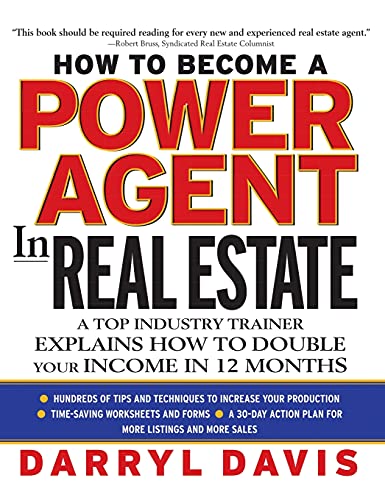
$40.00$17.04Learn MoreHow to Become a Power Agent in Real Estate gives real estate agents both the powerful sales techniques and the practical management tips they need to double their income by closing more transactions.
We earn a commission if you click this link and make a purchase at no additional cost to you.
10/05/2026 02:29 pm GMT -
$23.00$19.51Learn MoreDirk Zeller shares key strategies for new agents, covering company selection, networking, online marketing, and goal setting for real estate success.
We earn a commission if you click this link and make a purchase at no additional cost to you.
10/06/2026 05:34 am GMT -
 $9.95Learn More
Jim has helped hundreds of new, and experienced, real estate agents reach their career goals, using easy, but powerful, selling strategies and techniques. You will learn from realistic case stories how superstar agents break away from being ordinary, and rise to extraordinary.
We earn a commission if you click this link and make a purchase at no additional cost to you.
10/05/2026 02:29 pm GMT -
$12.99Learn More
A compact, shockproof, and water-resistant EVA carrying case made specifically for the Anker 25,000mAh 165W power bank, with secure straps, accessory storage, and quick-access dual zippers.
We earn a commission if you click this link and make a purchase at no additional cost to you.
10/06/2026 12:29 pm GMT -
 $24.99Learn More
Slim Portfolio Folio Organizer Holder for Letter Legal A4 Note Pads Notebooks for Men Women Refillable Business Leather Portfolio Binder, Dark...
We earn a commission if you click this link and make a purchase at no additional cost to you.
10/06/2026 04:31 am GMT -
 $56.99Learn More
Portable Document Scanner, AOZBZ 900DPI Handheld Image Scanner, Scanning Wand,A4 Colour Photo Mobile Scanner Handy Scan (JPG/PDF Format, High Speed USB 2.0, Included 16G SD Card) : Office ...
We earn a commission if you click this link and make a purchase at no additional cost to you.
10/06/2026 08:39 am GMT -
 $17.99Learn More
A compact USB-C rechargeable tactical flashlight with dual light sources, seven modes, memory function, magnetic base, and pocket clip for everyday use, emergencies, and hands-free tasks.
We earn a commission if you click this link and make a purchase at no additional cost to you.
10/06/2026 06:33 am GMT -
 $9.97Learn More
This 360 degree rotating floral desk organizer features seven compartments for office or personal items, is made of durable metal mesh with a sleek matte finish, and makes a practical yet stylish gift for any occasion.
We earn a commission if you click this link and make a purchase at no additional cost to you.
10/05/2026 06:32 pm GMT -

$24.69$20.99Learn MoreA compact glass desktop whiteboard that fits between your keyboard and monitor, offering a smooth dry-erase surface, hidden storage and device trays, and all included accessories to keep notes, tools, and your workspace neatly organized.
We earn a commission if you click this link and make a purchase at no additional cost to you.
10/06/2026 07:34 am GMT -

$29.99$26.99Learn MoreThe OHAYO T10 open-ear Bluetooth headphones deliver immersive quad-speaker audio, ultra-light 8g comfort, 40-hour battery life, IPX6 waterproof durability, and intuitive touch controls for secure, all-day listening.
We earn a commission if you click this link and make a purchase at no additional cost to you.
10/06/2026 05:32 am GMT
Dirk Zeller shares key strategies for new agents, covering company selection, networking, online marketing, and goal setting for real estate success.

Mark Fiebert is a former finance executive who hired and managed dozens of professionals during his 30-plus-year career. He now shares expert job search, resume, and career advice on CareerAlley.com.