We may earn a commission if you click on a product link and make a purchase at no additional cost to you. For more information, please see our disclosure policy.
Last updated: April 4, 2025
If you are good with numbers and organization,
| Pros of an |
Cons of an |
|---|---|
| High-demand profession. | Can be stressful during tax season. |
| Potential for high earnings. | Requires continuous learning and development. |
| Clear career progression path. | Potential for long working hours. |
| Opportunity to work in various industries. | Work can be repetitive and routine. |
| Development of key business skills. | Requires high attention to detail. |
| Ability to start your own business. | Increased responsibility and liability. |
| Constantly evolving field. | Work may involve dealing with complex regulations. |
| Job stability and security. | Work can be desk-bound and sedentary. |
| Opportunity for international careers. | The profession may be affected by changes in technology. |
Numerous Educational Opportunities for Accountants
accounting is a unique industry that has varying levels of education. Despite the varying levels, it is difficult to get ahead without becoming a CPA. The only way to do this is to pass the CPA exam. If you have been studying and you feel like I’m not retaining anything for the CPA exam, there are online courses that will help you prepare and succeed.
Respectable Salaries for Accountants of All Experience Levels
Once you begin working in the
When accountants move through the ranks, their salaries can grow quite large. When their positions become specialized, they can make much more. For example, an accountant in a medical office can earn a starting salary of close to $60,000.
In the business world, annual salaries go even higher. For example:
- Bookkeepers and tax experts make an average of $83,710.
- Financial analyst managers can make over $144,000 annually.
- Accountants in New York City can earn over $20,000 more than those in Atlanta.
The salary of an accountant can also be affected by their level of education. Those with a bachelor’s degree in
Preparing for the CPA Exam
Becoming a CPA is not easy. There are strict licensing processes that vary slightly from state to state. In most states, to become a CPA, you must have an undergraduate degree with at least 150 hours of coursework. Or, you must have a master’s degree.
Along with the college degree, states also require that accountants have some experience in the field. Often, that experience should be at least one or two full years.
After getting a college degree and a year or two of experience, you have to pass the licensing exam. Every state gives the same test, even though the requirements to take it vary. There are four parts to the exam, which is why so many people struggle to pass it the first time. The test is scored on a 99-point scale, and passing is 75 or higher.
A Growing and Varied Industry
When it comes to accountants and their pay, the highest salaries are in industries where other employees are highly compensated. For example, accountants in the oil and gas industry are paid higher than accountants who work for schools.
The
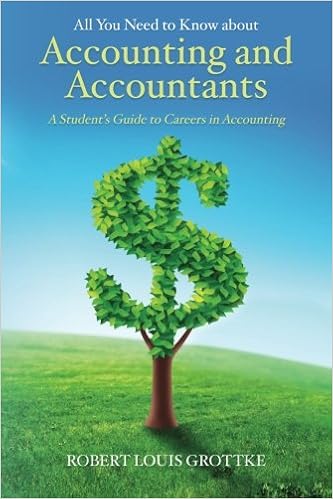
A clear explanation of accountancy expressed in layman’s terms, All You Need to Know about Accounting and Accountants has the answers to your questions about a fascinating industry.


Joey Trebif is the pen name of Mark Fiebert, a former finance executive who hired and managed dozens of professionals during his 30-plus-year career. He now shares expert job search, resume, and career advice on CareerAlley.com.