- Key Takeaways
- Why Travel Can Build Stronger Career Skills
- Travel Improves How You Communicate
- New Environments Can Strengthen Creative Thinking
- Adaptability Becomes Easier When Plans Change
- Travel Builds Cultural Awareness And Leadership Judgment
- Travel Can Strengthen Your Professional Network
- Use Travel Stories Carefully In Interviews
- Turn Travel Into Real Career Value
- Further Guidance & Tools
- Next Steps
- Final Words
We may earn a commission if you click on a product link and make a purchase at no additional cost to you. For more information, please see our disclosure policy.
Last updated: May 17, 2026

By Mark Fiebert
Key Takeaways
- Career Growth: Travel can build practical workplace skills when you connect new experiences to communication, adaptability, judgment, and problem-solving.
- Better Communication: Navigating unfamiliar places helps you listen carefully, read context, and explain yourself clearly under pressure.
- Stronger Confidence: Handling delays, language barriers, and unexpected changes can give you better stories for interviews and leadership conversations.
- Global Perspective: Exposure to different cultures can help you work more effectively with diverse teams, clients, vendors, and managers.
- Professional Value: Travel matters most when you translate the experience into clear skills employers can understand and trust.
Why Travel Can Build Stronger Career Skills
Vacations are often treated as simple escapes from deadlines, meetings, and workplace pressure. That is fair; rest matters. But travel can also do something more useful for your career. It places you in unfamiliar situations where you must observe, adjust, communicate, decide, and solve problems without your usual routines.
Those are not abstract personal-growth benefits. They are the same skills employers look for when they evaluate candidates, promote employees, or trust someone with more responsibility. Travel will not replace training, experience, or credentials, but it can sharpen the professional habits that help you perform better when work becomes unpredictable.

Explore CareerAlley’s curated Amazon picks for job search tools, resume help, interview prep, work essentials, and smart career-building resources.

Travel Improves How You Communicate
Traveling to unfamiliar places often creates communication challenges. You may deal with language differences, cultural expectations, unclear directions, delayed transportation, or people who solve problems differently than you do. Those situations force you to slow down, listen carefully, ask better questions, and pay closer attention to tone, body language, and context.
That carries directly into the workplace. Strong professionals do not just talk more clearly; they notice when a message is not landing. They adjust their approach for different audiences, avoid assumptions, and make complicated information easier to understand. Whether you are working with a manager, client, coworker, contractor, or customer, travel can make you more patient and more aware of communication gaps before they become bigger problems.
New Environments Can Strengthen Creative Thinking
A change of scenery can help when work starts to feel stale. New places disrupt your normal patterns. You notice different routines, products, services, designs, food, transportation systems, and ways people organize daily life. That exposure can help you approach familiar work problems from a less automatic angle.
That does not mean every business idea arrives during a perfect beach vacation while using the best smelling bottle of sunscreen. The real value is more practical: travel gives your mind new material to work with. A marketer may notice how a small hotel handles customer service. A manager may observe how people coordinate in crowded public spaces. A freelancer may return with better ideas for serving clients who think differently than they do.
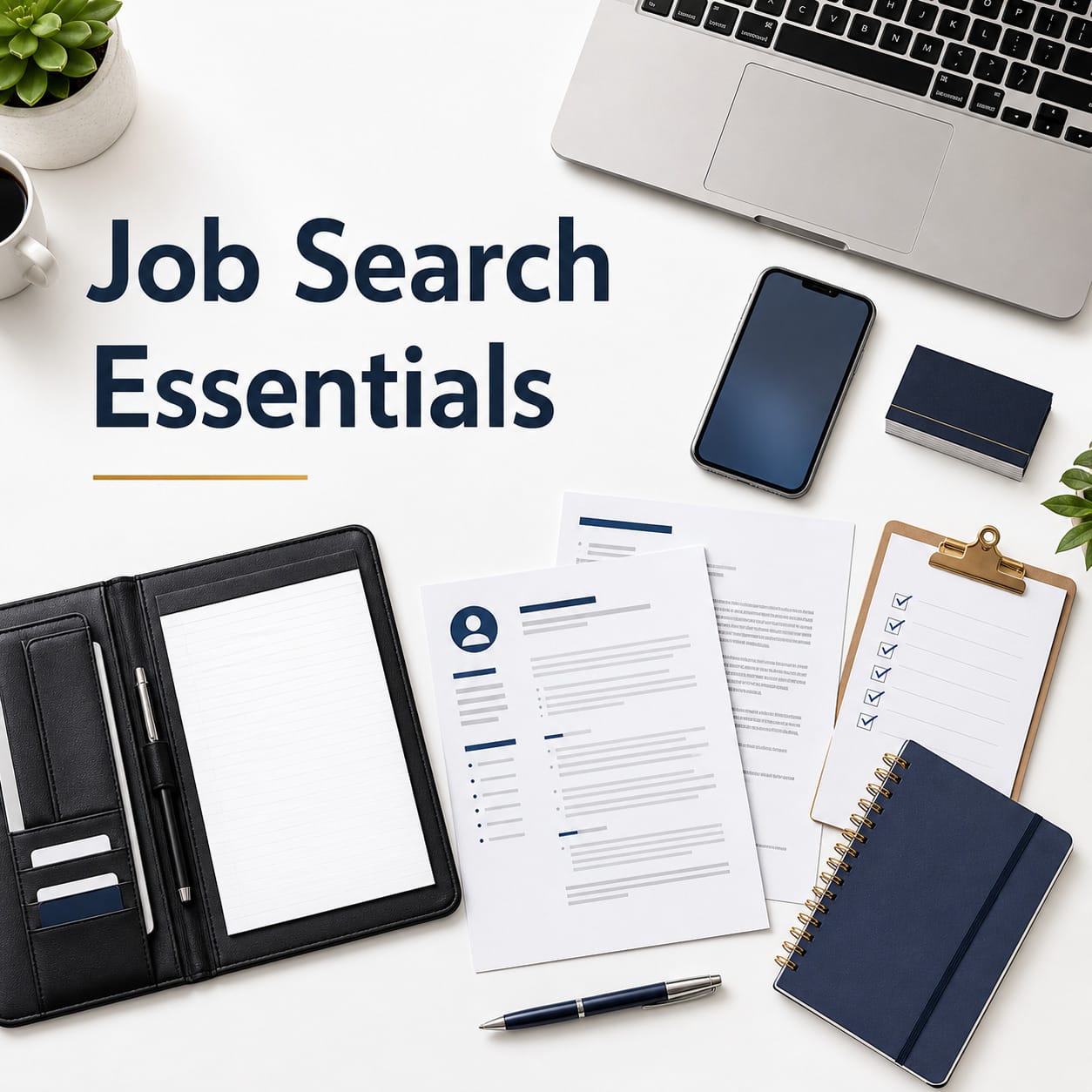
Job search essentials curated to help you prepare, stay organized, improve your resume, and approach interviews with more confidence.
Adaptability Becomes Easier When Plans Change
Travel rarely goes exactly as planned. Flights are delayed, reservations get mixed up, weather changes, roads close, and schedules fall apart. Those moments are frustrating, but they also build a useful professional muscle: the ability to stay calm, reassess quickly, and choose the next best move.
That matters at work because modern careers require flexibility. Priorities shift, software changes, clients revise expectations, teams reorganize, and job seekers face screening processes that are not always predictable. Travel helps you practice moving through uncertainty without freezing, overreacting, or blaming everyone around you.
- Delayed plans: You learn to adjust quickly instead of wasting energy on what already went wrong.
- Unfamiliar systems: You get better at reading signs, asking questions, and learning fast.
- Limited information: You practice making reasonable decisions without having every answer in advance.
- Unexpected pressure: You build patience when other people are stressed, confused, or difficult.

Stay healthier and more comfortable during the workday with practical picks for movement, posture, hydration, focus, and everyday wellness. This list includes helpful items for creating a more active, ergonomic, and balanced workspace whether you work from home, in an office, or on the go.
Travel Builds Cultural Awareness And Leadership Judgment
When you travel, your exposure to different places and people can prepare you for working with a more diverse workforce. Many teams now include people from different regions, backgrounds, generations, and work styles. Even when everyone works in the same country, expectations around communication, authority, time, feedback, and decision-making can vary widely.
Good leaders do not treat every difference as a problem to manage. They learn to ask better questions, avoid lazy assumptions, and create enough clarity that people can do strong work together. Travel can help develop that judgment because it reminds you that your way of doing things is not the only reasonable way.
Travel Can Strengthen Your Professional Network
Travel can also introduce you to people, industries, cities, and opportunities you might never encounter from your regular routine. A casual conversation at a conference, alumni event, coworking space, volunteer activity, or local business gathering can lead to useful perspective long before it leads to a job offer.
The key is to treat networking as relationship building, not collecting names. LinkedIn, alumni groups, professional associations, and social media can help you stay in touch, but the real value comes from thoughtful follow-up. If you are considering relocation,

We’re with you until you land your next job — placement support guaranteed. Four expert services. One simple fee. This personal, done-for-you, job placement support service has everything you need to find your next role.
Use Travel Stories Carefully In Interviews
Travel can help you stand out in interviews, but only if the story connects to a workplace skill. Employers do not need a vacation recap. They need evidence that you can solve problems, work with people, handle pressure, and learn from experience. A strong travel story should be brief, specific, and tied to the role.
For example, you might describe how you handled a missed connection, navigated a language barrier, coordinated plans for a group, adapted to a different business culture, or learned something that changed how you work. Travel also brings self-exploration, but in a professional setting, the lesson should point back to judgment, resilience, communication, or clearer career direction.
- Resume: Mention travel only when it supports language ability, international experience, volunteer work, relocation readiness, or relevant project exposure.
- LinkedIn: Turn travel into skill-based language, such as cross-cultural communication, event coordination, research, or client-facing adaptability.
- Interview: Use one concise story that shows action, challenge, result, and what you learned.
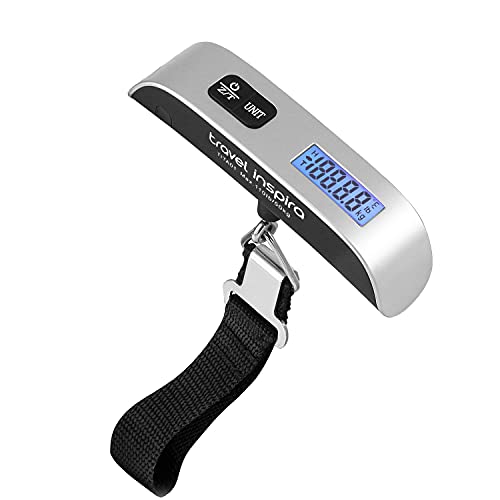
Compact digital luggage scale with a 110 lb capacity to help avoid overweight bag fees. Features an easy-to-read backlit display, comfortable grip, data lock, auto-off, and a lightweight design that is easy to pack.
Turn Travel Into Real Career Value
Travel becomes more valuable when you reflect on it instead of simply moving on after the trip. Keep notes about problems you solved, people you met, systems you observed, and situations that challenged your assumptions. Those details can become useful examples for interviews, performance reviews, personal branding, or future career decisions.
You do not need expensive international travel to gain these benefits. A new city, regional conference, volunteer trip, professional retreat, or solo weekend in an unfamiliar place can produce the same kind of learning. What matters is whether you pay attention and connect the experience to the kind of professional you want to become.

Compression packing cubes that help you pack faster, stay organized, and fit up to 50% more in your suitcase. Made with durable nylon twill and breathable mesh, they also help reduce wrinkles and fit most luggage sizes.
Further Guidance & Tools
- Vacation Recovery: Harvard Business Review explains how better recovery can improve focus, energy, and work performance after time away.
- Skill Trends: LinkedIn News highlights growing professional skills that can help you connect travel experiences to career development.
- Workplace Inclusion: SHRM provides workplace diversity and inclusion resources that support stronger cross-cultural communication and leadership judgment.
- Career Exploration: CareerOneStop offers practical tools for connecting interests, skills, and experience to possible career paths.
- Global Readiness: U.S. Department of State provides travel guidance that helps professionals prepare more responsibly for international trips.
Next Steps
- Track Lessons: After each trip, write down three problems you solved and the workplace skill each one strengthened.
- Update Profiles: Add only travel-related experience that supports real skills, relevant projects, languages, or relocation goals.
- Prepare Stories: Build one interview-ready example showing challenge, action, result, and the professional lesson you learned.
- Network Smart: Follow up with useful contacts after travel, especially people connected to your industry, city, or career goals.
- Apply Insights: Bring one useful idea from your trip into your current work, team process, or client communication.

Have you ever dreamed of becoming a digital nomad and being able to land a high-paying remote job? If so, Global Career is your blueprint to find remote jobs and jumpstart an international career.
Final Words
Travel is not a career strategy by itself, but it can make you a stronger professional when you treat the experience as more than a break. New places challenge your communication, patience, judgment, curiosity, and ability to adapt. Those qualities matter in job searches, interviews, leadership roles, client work, and everyday workplace performance. The real benefit comes from noticing what travel teaches you and turning those lessons into clearer, more credible professional value.
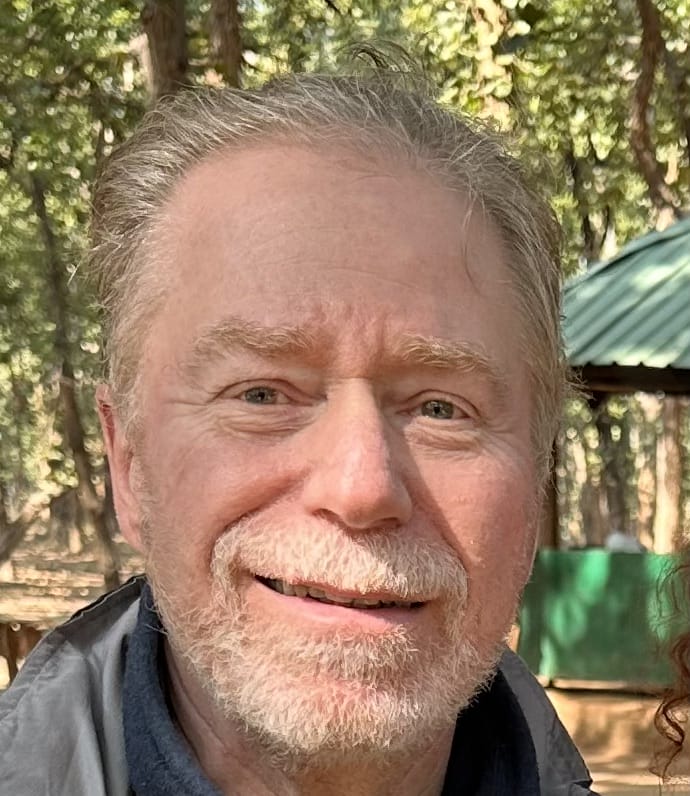
Mark Fiebert is a former finance executive who hired and managed dozens of professionals during his 30-plus-year career. He now shares expert job search, resume, and career advice on CareerAlley.com.