- Key Takeaways
- How to Choose the Right Real Estate Career
- Real Estate Agent Is Still the Most Practical Starting Point
- Broker Can Be the Next Step if You Want More Control
- Investor Is a Business Path, Not an Entry-Level Shortcut
- Flipping Can Work, but It Is Not the Easy Money Version of Real Estate
- How to Decide Which Path Fits You Best
- Further Guidance & Tools
- Next Steps
- Final Words
- Additional Resources
We may earn a commission if you click on a product link and make a purchase at no additional cost to you. For more information, please see our disclosure policy.
Last updated: April 12, 2026

By Mark Fiebert
Key Takeaways
- Choose fit: Real estate offers multiple career paths, but the right choice depends on your risk tolerance, capital, sales ability, licensing goals, and timeline.
- Start grounded: Agent roles remain the most accessible entry point, especially for career changers who want income potential without large upfront investment capital.
- Know the ladder: Brokers typically need more experience and licensing, but they gain more control over branding, operations, and long-term business growth.
- Respect risk: Investing and flipping can produce strong returns, but they demand capital, market judgment, and discipline far beyond popular TV portrayals.
- Think business: The strongest real estate careers are built on systems, compliance, lead generation, and client trust rather than enthusiasm alone.
How to Choose the Right Real Estate Career
Becoming part of the real estate industry still appeals to people who want independence, income potential, and work that is directly tied to performance. That part has not changed. What has changed is that readers now expect a more realistic view of what each path demands. Real estate can be rewarding, but it is not one career. It is a collection of business models with very different entry barriers, risk profiles, and day-to-day responsibilities.
For most CareerAlley readers, the real question is not whether real estate is exciting. It is the path that best matches your skills, capital, and appetite for uncertainty. That is why this article works best as a decision guide. The strongest options in the original draft still matter, but they need sharper context, better caution around risk, and more practical framing around licensing, lead generation, and career fit.

It's time to stop just thinking, talking, or dreaming about the future that real estate investing can give you. It's time to start doing. This book will show you exactly where to start!

Real Estate Agent Is Still the Most Practical Starting Point
The most accessible entry point remains the agent path. It is still the clearest career choice in the Real Estate space for people with limited industry experience, and becoming an agent remains the route most newcomers explore first. The appeal is obvious: lower startup costs than investing, no need to buy property yourself, and a direct line into client work, commissions, and local market knowledge.
That said, the old framing that becoming an agent is quick and simple is too loose. It is more accurate to say it is accessible, but not easy. New agents need licensing, brokerage affiliation, prospecting discipline, and enough patience to survive an uneven income ramp. Residential sales remain the better starting point for many beginners, while commercial work tends to reward those with stronger networks, negotiation experience, and a tolerance for longer sales cycles. If this is your lane, take licensing seriously and focus on becoming the most credible real estate agent you can.
Broker Can Be the Next Step if You Want More Control
Brokerage is still a logical progression for agents who want more autonomy, stronger brand control, or the ability to build a team. In practical terms, becoming a broker is less about doing a completely different job and more about assuming a broader business role. The core client-facing work overlaps with being a real estate agent, but brokers usually have more responsibility for compliance, supervision, operations, and growth.

A compact USB-C rechargeable tactical flashlight with dual light sources, seven modes, memory function, magnetic base, and pocket clip for everyday use, emergencies, and hands-free tasks.
That is why this path makes sense only after you have enough production experience to understand the business from the ground up. Lead generation also becomes more important at this stage. The original article mentions building lists for outreach using providers such as uscompanydata. That can still fit into a broader business-development strategy, but modern brokers also need a cleaner approach to branding, CRM usage, referral systems, and follow-up. More control can mean more upside, but it also means more responsibility.
Investor Is a Business Path, Not an Entry-Level Shortcut
If you are serious about making it in the real estate world through ownership rather than brokerage, investing can become a full-time career. But this is where older articles often oversell the upside and undersell the risk. Investing is not simply a higher-income version of agency work. It is closer to running a capital allocation business. Returns depend on acquisition discipline, financing terms, local market understanding, cash reserves, and the ability to absorb mistakes.
The original draft says you can start with a small office and a high-speed Internet connection. That reads dated now, but the underlying point still works: investors need infrastructure. Today, that means reliable internet access, robust market research, digital transaction tools, lender relationships, and a repeatable way to evaluate deals. For readers without significant capital, it is smarter to treat investing as a later-stage move rather than an immediate career pivot.

A compact, shockproof, and water-resistant EVA carrying case made specifically for the Anker 25,000mAh 165W power bank, with secure straps, accessory storage, and quick-access dual zippers.
Flipping Can Work, but It Is Not the Easy Money Version of Real Estate
Flipping still attracts people because it combines property, design, speed, and visible payoff. It is also one of the most misunderstood paths. Yes, some people use their own funds to invest in properties, improve them, and resell them for a gain. But the spread between purchase price and resale price is only part of the story. Holding costs, financing costs, contractor delays, permitting issues, and resale timing can quickly erase a promising deal.
The original article is right that competition matters and that you often need a substantial sum of money to stay competitive. It is better, though, to frame flipping as an investment strategy for financially prepared operators rather than a default career option for beginners. If you are drawn to this path, learn about underwriting, renovation budgeting, local comps, and exit planning before you ever buy a property.
How to Decide Which Path Fits You Best
If you are choosing among these routes, start by matching the role to your actual strengths rather than your idealized outcome. Use this filter:
- Choose an agent if you are strong in sales, communication, relationship building, and want the lowest-capital entry point.
- Choose a broker if you already understand agency work and want more business control, supervision authority, and long-term brand ownership.
- Choose an investor if you can evaluate risk, raise or deploy capital, and stay disciplined when deals look better on paper than in practice.
- Choose flipper if you understand renovation risk, timelines, and holding costs and can handle uneven returns without overextending yourself.
Real estate is still versatile enough to support different kinds of ambition, but not every path is right for every stage of your career. The smart move is to choose the option that gives you the best combination of learning, realistic upside, and manageable risk.

Becoming a Real Estate Appraiser is a rewarding career once you join the trade. Its not difficult to become an appraiser once you know the process.
Further Guidance & Tools
- NAR overview: Review careers in real estate for a grounded overview of licensing and professional expectations.
- ARELLO help: Use real estate licensing resources to verify state-specific licensing and portability issues before committing.
- SBA basics: The SBA’s licenses and permits guide helps when you move from solo work into business ownership.
- Agent research: Indeed’s real estate job guide is useful for comparing paths and compensation possibilities.
- Investor primer: Investopedia’s real estate investing guide helps clarify strategies, risks, and common terms.
Next Steps
- Audit fit: Decide whether you are better suited for sales, operations, capital risk, or renovation execution before choosing a real estate path.
- Check licensing: Review your state’s agent and broker requirements so you understand education, exams, timelines, and sponsorship expectations.
- Test demand: Talk to working agents, brokers, and investors in your market to compare the day-to-day reality with your assumptions.
- Run numbers: Build a simple income and expense model for your chosen path so enthusiasm does not replace financial judgment.
- Pick one: Commit to one lane first instead of chasing every option, then build skills and credibility before expanding later.
Final Words
Real estate remains a strong career category because it rewards initiative, market knowledge, and business discipline, but the best path depends on what you can realistically bring to it right now. Agent, broker, investor, and flipper are not interchangeable labels. They are different risk and income models. If you choose carefully, build the right foundation, and stay realistic about what each role requires, real estate can still become a credible and rewarding way to grow a career or build a business.
Additional Resources
-
 $39.99Learn More
A high-precision laser distance meter with seven measurement modes, flexible unit switching, backlit display, 100-record memory, mute function, and a full accessory kit for versatile indoor measuring tasks.
We earn a commission if you click this link and make a purchase at no additional cost to you.
04/12/2026 01:39 pm GMT -
 $5.95Learn More
If however you aren't sitting on a pile of cash, you have no choice but to hit the ground running the minute you are licensed. This short and simple guide will teach you how. Right now, with Before You Are Licensed
We earn a commission if you click this link and make a purchase at no additional cost to you.
04/12/2026 02:00 pm GMT -
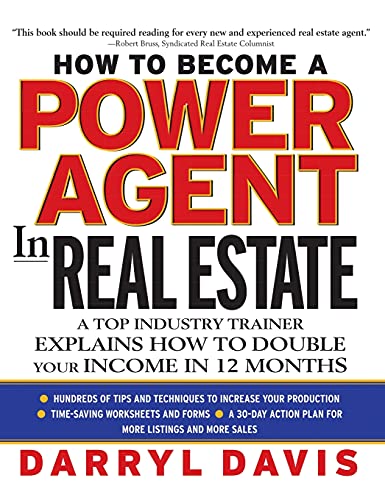
$40.00$24.08Learn MoreHow to Become a Power Agent in Real Estate gives real estate agents both the powerful sales techniques and the practical management tips they need to double their income by closing more transactions.
We earn a commission if you click this link and make a purchase at no additional cost to you.
04/26/2026 04:03 pm GMT -
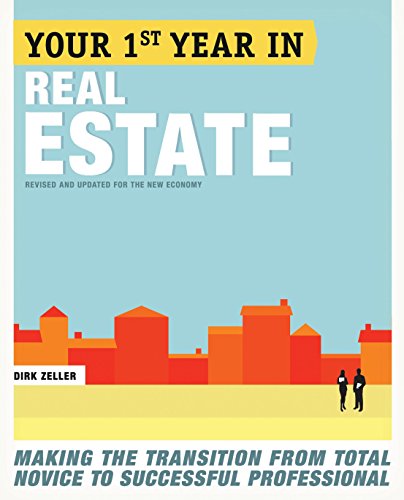
$23.00$21.36Learn MoreDirk Zeller shares key strategies for new agents, covering company selection, networking, online marketing, and goal setting for real estate success.
We earn a commission if you click this link and make a purchase at no additional cost to you.
04/12/2026 02:01 pm GMT -
 $9.95Learn More
Jim has helped hundreds of new, and experienced, real estate agents reach their career goals, using easy, but powerful, selling strategies and techniques. You will learn from realistic case stories how superstar agents break away from being ordinary, and rise to extraordinary.
We earn a commission if you click this link and make a purchase at no additional cost to you.
04/26/2026 05:06 pm GMT -
$13.99Learn More
A compact, shockproof, and water-resistant EVA carrying case made specifically for the Anker 25,000mAh 165W power bank, with secure straps, accessory storage, and quick-access dual zippers.
We earn a commission if you click this link and make a purchase at no additional cost to you.
04/12/2026 01:36 pm GMT -
 $24.99Learn More
Slim Portfolio Folio Organizer Holder for Letter Legal A4 Note Pads Notebooks for Men Women Refillable Business Leather Portfolio Binder, Dark...
We earn a commission if you click this link and make a purchase at no additional cost to you.
03/04/2026 03:04 am GMT -
 $58.99Learn More
Portable Document Scanner, AOZBZ 900DPI Handheld Image Scanner, Scanning Wand,A4 Colour Photo Mobile Scanner Handy Scan (JPG/PDF Format, High Speed USB 2.0, Included 16G SD Card) : Office ...
We earn a commission if you click this link and make a purchase at no additional cost to you.
03/04/2026 09:00 am GMT -
$17.99Learn More
A compact USB-C rechargeable tactical flashlight with dual light sources, seven modes, memory function, magnetic base, and pocket clip for everyday use, emergencies, and hands-free tasks.
We earn a commission if you click this link and make a purchase at no additional cost to you.
04/12/2026 01:50 pm GMT -

$14.99$9.98Learn MoreThis 360 degree rotating floral desk organizer features seven compartments for office or personal items, is made of durable metal mesh with a sleek matte finish, and makes a practical yet stylish gift for any occasion.
We earn a commission if you click this link and make a purchase at no additional cost to you.
03/04/2026 01:01 am GMT -
 $25.99Learn More
A compact glass desktop whiteboard that fits between your keyboard and monitor, offering a smooth dry-erase surface, hidden storage and device trays, and all included accessories to keep notes, tools, and your workspace neatly organized.
We earn a commission if you click this link and make a purchase at no additional cost to you.
03/26/2026 06:37 pm GMT -

$49.99$29.98Learn MoreThe OHAYO T10 open-ear Bluetooth headphones deliver immersive quad-speaker audio, ultra-light 8g comfort, 40-hour battery life, IPX6 waterproof durability, and intuitive touch controls for secure, all-day listening.
We earn a commission if you click this link and make a purchase at no additional cost to you.
03/26/2026 06:36 pm GMT
How to Become a Power Agent in Real Estate gives real estate agents both the powerful sales techniques and the practical management tips they need to double their income by closing more transactions.

Mark Fiebert is a former finance executive who hired and managed dozens of professionals during his 30-plus-year career. He now shares expert job search, resume, and career advice on CareerAlley.com.