- Key Takeaways
- Corporate Event Importance
- Defining Clear Objectives
- Structured Event Planning
- Collaborative Hosting Tools
- Venue Selection Strategy
- Optimizing Venue Searches
- Entertainment That Engages
- Creative Entertainment Options
- Measuring Event Success
- Post-Event Follow-Up
- Further Guidance & Tools
- Next Steps
- Final Words
We may earn a commission if you click on a product link and make a purchase at no additional cost to you. For more information, please see our disclosure policy.
Last updated: December 24, 2025

Key Takeaways
- Strategic Planning: Successful corporate events start with clear business objectives, defined audiences, and measurable outcomes aligned with brand reputation and growth goals.
- Execution Matters: Attention to logistics, timing, vendors, and communication ensures smooth delivery and protects your company from reputational or financial missteps.
- Right Environment: Choosing an appropriate venue and atmosphere directly impacts attendee engagement, comfort, and perception of your business professionalism.
- Engaging Experiences: Thoughtful entertainment and interaction help differentiate your event, strengthen relationships, and keep your brand memorable long after the event ends.
- Post-Event Value: Measuring results, gathering feedback, and following up with attendees turns a single event into long-term business value.
Corporate Event Importance
Hosting an event, particularly a corporate one, is a high-stakes activity for
A well-executed corporate event can strengthen partnerships, attract new clients, motivate employees, and position your company as polished and reliable. Conversely, poor planning can damage trust and undermine months of hard work. This is why approaching events with a strategic, business-first mindset is essential.
If you want to establish a successful career in event planning, or if you simply want to learn more about the event planning industry and all of its opportunities, then this book is for you!


Defining Clear Objectives
Before committing to a venue or sending invitations,
Once objectives are set, every decision should support them, from agenda structure to entertainment choices. Clear goals also make it easier to evaluate outcomes and justify the investment of time and money.
Structured Event Planning
Effective planning transforms complex events into manageable projects. For
- Audience Focus: Design the event around attendees’ needs, expectations, and motivations.
- Agenda Design: Balance structure with flexibility to keep energy levels high.
- Logistics Control: Coordinate vendors, schedules, and equipment well in advance.
- Risk Planning: Prepare contingency plans for technology issues, no-shows, or delays.
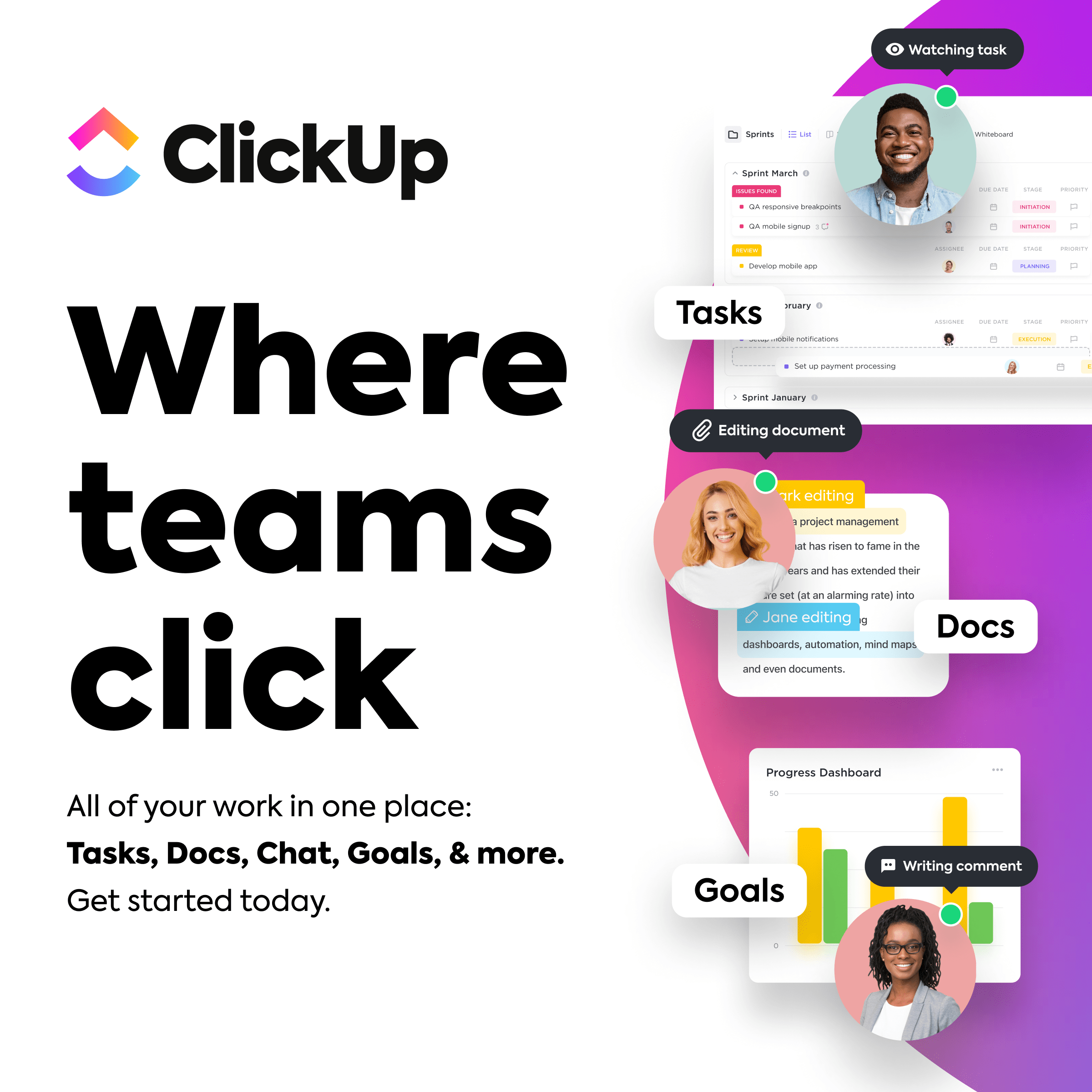
One app to replace them all. Get everyone working in a single platform designed to manage any type of work.
Improve collaboration - Get your teams working together more closely, even if they’re far apart. Centralize project-related communications in one place, brainstorm ideas with Whiteboards, and draft plans together with collaborative Docs.
Collaborative Hosting Tools
Thorough organization is the foundation of effective hosting. Small businesses benefit significantly from visual planning and collaboration tools that centralize ideas and decisions. Platforms like Beautiful.AI help business owners align their ideas and present them clearly to internal team members and external partners.
Combining presentation tools with task management platforms such as collaboration software enables small businesses to streamline communication, track progress, and reduce costly oversights.
Venue Selection Strategy
The venue sets the emotional and professional tone of your event. For
Online venue finders simplify this process by allowing targeted searches based on budget, location, capacity, and amenities. Using these tools eliminates guesswork and saves valuable time while ensuring your venue supports, rather than distracts from, your business message.
The essential primer and practical guide every organization needs.

Optimizing Venue Searches
Modern venue-finding platforms allow users to enter specific criteria, such as cost limits, geographic preferences, size requirements, and required facilities. The system then returns only relevant results, excluding unsuitable options.
This approach prevents wasted effort and helps
Entertainment That Engages
Entertainment is often overlooked or treated as an afterthought, yet it plays a significant role in shaping attendee perception. For
Interactive options such as professional hosts, live demonstrations, or unique performers can transform routine gatherings into memorable experiences. The key is ensuring entertainment aligns with the event’s purpose rather than distracting from it.
A Pro Shares a Step-by-Step Guide to Creating a Plan that Gets Results by Hal Shelton will open your eyes to insider tips, hints, and techniques for creating a winning business plan.

Creative Entertainment Options
One unconventional but effective option is professional magic. Corporate magicians are skilled at engaging diverse audiences and can subtly integrate messaging or products into their performances. This approach works particularly well at trade shows, networking events, and internal meetings.
Hiring a magician for your corporate event

Measuring Event Success
Small business owners should treat events as investments, not expenses. Measuring outcomes is essential to understanding return on investment and improving future events. Feedback can be gathered through surveys, informal conversations, and performance metrics aligned with original goals.
Key indicators might include attendance rates, engagement levels, scheduled follow-up meetings, or post-event sales inquiries. These insights help refine strategy and justify future event spending.
Post-Event Follow-Up
The event does not end when the last guest leaves. I think follow-up communication solidifies relationships and extends the value of your efforts. I want you to know that personalized thank-you messages demonstrate professionalism and appreciation while keeping your business top of mind.
Sharing event highlights, resources, or next steps reinforces connections and encourages continued engagement with your brand.
Further Guidance & Tools
- Event Strategy: Explore expert insights on aligning corporate events with broader business growth strategies.
- Venue Research: Use Eventbrite to discover venue trends and understand attendee expectations for professional events.
- Planning Templates: Access structured planning resources from Motion to manage timelines, budgets, and responsibilities.
- Audience Engagement: Learn engagement best practices from HubSpot to create interactive, relationship-driven events.
- Feedback Tools: Collect actionable attendee insights using SurveyMonkey to improve future corporate gatherings.
Next Steps
- Set Goals: Define one primary and two secondary objectives for your next corporate event before selecting a venue or confirming vendors.
- Create Timeline: Build a detailed planning timeline with deadlines and responsibilities to keep preparation organized and on schedule.
- Confirm Budget: Establish a realistic event budget and allocate funds based on priorities that support your core business objectives.
- Plan Follow-Up: Draft post-event thank-you messages and feedback surveys before the event to ensure timely outreach.
Final Words
Corporate events remain powerful tools for
When it comes to hosting big business meetings or important sales events, you will discover how to entertain business clients and business associates with ease, knowledge, and confidence, using good wine and food as the ingredients to build strong and lasting business relationships.


Mark Fiebert is a former finance executive who hired and managed dozens of professionals during his 30-plus-year career. He now shares expert job search, resume, and career advice on CareerAlley.com.