- Key Takeaways
- The Role of
Leadership - Building Organizational Foundations
- What
Leadership Development Means - Why
Leadership Development Matters - Key Benefits for Organizations
- Productivity and Performance
- Shared
Leadership Responsibility - Why
Leadership Development Improves Business Outcomes - Core Focus Areas That Create Stronger Leaders
- How to Build a Sustainable
Leadership Pipeline - Leadership Development Programs
- Further Guidance & Tools
- Next Steps
- Final Words
We may earn a commission if you click on a product link and make a purchase at no additional cost to you. For more information, please see our disclosure policy.
Last updated: December 28, 2025

Key Takeaways
- Leadership impact: Strong leadership development creates clarity, accountability, and motivation across organizations, directly influencing performance, engagement, and long-term business resilience.
- Skill building: Leadership is a learned capability developed through
training , mentoring, feedback, and real-world responsibility rather than innate traits or job titles. - Organizational value: Companies that
invest inleadership development build stronger teams, improveproductivity , and prepare future leaders for evolving workplace challenges. - Employee growth:
Leadership development empowers employees to take ownership, improvecollaboration , and contribute more confidently to organizational goals. - Long-term returns: Although
leadership development requires time and effort, it delivers sustainable performance improvements and a strongerleadership pipeline over time.
The Role of Leadership
Amid an evolving business landscape shaped by rapid change, employee development has moved to the forefront of organizational priorities. Within that shift, the importance of leadership development cannot be overstated. Weak
Organizations with effective leaders foster clarity and trust, enabling employees to reach their full potential.
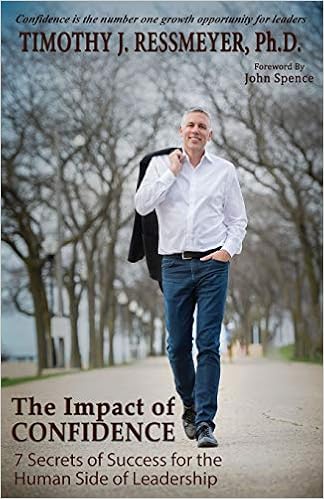
The book uncovers the impact of confidence in seven critical dimensions of a leader's life including leadership, passion, connecting, change, advancement, relationships, and control.

Building Organizational Foundations
A resilient organization is built on consistent
By investing in
What Leadership Development Means
Leadership development is the deliberate process of fostering
Through

The cofounders of the Remote Leadership Institute, Kevin Eikenberry and Wayne Turmel, show leaders how to guide their teams by recalling the foundational principles of leadership whether their teams are scattered globally or just working from home a few days a week.
Why Leadership Development Matters
Organizations that prioritize
When leaders model accountability and transparency, teams respond with higher trust and
Key Benefits for Organizations
The benefits of
- Consistency: Clearly defined
leadership responsibilities establish shared expectations and reduce errors caused by miscommunication. - Accountability: Transparent
leadership roles empower employees to hold management accountable and strengthen trust across teams. - Initiative:
Leadership development encourages proactive problem-solving and continuous improvement throughout the organization. - Collaboration: Strong
leadership skills improve teamwork and communication, increasing overall effectiveness.

If you own a start-up or small/medium business, this book is the only ‘play-book’ you will need. A first-time manager has very unique requirements. This book can be your guide to success. Learn what it takes for you to climb the corporate ladder. If you are a mid-level executive, this book can be your mentor and advisor.
Productivity and Performance
Leadership development directly influences
Better
Shared Leadership Responsibility
Modern
As employees grow more confident in their
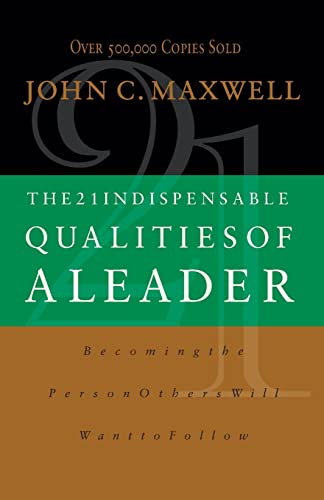
A concise, accessible leadership book that helps readers become more effective leaders from the inside out.
Why Leadership Development Improves Business Outcomes
Leadership development is a business system, not a perk. When leaders set clear expectations, communicate priorities, and model accountability, teams waste less time guessing and spend more time executing. In a fast-changing environment, strong
Core Focus Areas That Create Stronger Leaders
To prevent overlap and keep development measurable, focus on distinct
- Strategic Thinking: Translate business priorities into quarterly objectives, define trade-offs, and track what you will stop doing so teams stay aligned and focused.
- Clear Communication: Replace vague direction with specific outcomes, owners, and deadlines, then repeat the message across
meetings and written updates to prevent drift. - Decision-Making Confidence: Set a simple decision rule (data needed, time limit, risk level) so choices happen on time and lessons are captured after execution.
- Emotional Intelligence: Run a lightweight 360 feedback cycle using Google Forms to identify triggers, improve conflict handling, and strengthen trust without turning feedback into a performance event.
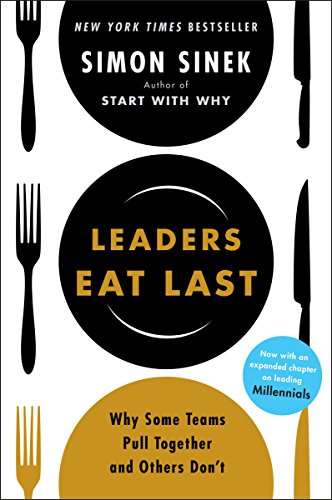
In his work with organizations around the world, Simon Sinek noticed that some teams trust each other so deeply that they would literally put their lives on the line for each other. Other teams, no matter what incentives are offered, are doomed to infighting, fragmentation and failure.
How to Build a Sustainable Leadership Pipeline
A
Leadership Development Programs
Structured
For example, leadership development programs help participants strengthen practical
Further Guidance & Tools
- Leadership
Skills : Explore Harvard Business School Online to understand coreleadership capabilities and how they apply in modern organizations. - Productivity Systems: Learn principles from Getting Things Done to improve focus, execution, and
leadership effectiveness. - Time Management: Review insights from Brian Tracy to strengthen prioritization and
leadership discipline. - Leadership Growth: Study frameworks from Leadership Step by Step to develop confidence and influence.
- Work Management: Use Motion Calendar to improve
scheduling , focus, andleadership productivity .

Motion increases productivity by 137%. With automation and AI that intelligently plan your day, schedule meetings, and build the perfect to-do list.
Next Steps
- Assess
Leadership : Identify currentleadership strengths and gaps by reflecting on communication, accountability, and decision-making behaviors. - Seek
Training : Enroll inleadership development programs that align with your organization’s goals and your personal growth needs. - Encourage Feedback: Create regular opportunities for feedback to reinforce
leadership growth and continuous improvement. - Promote Ownership: Encourage
team members to take responsibility for outcomes and participate actively inleadership initiatives. - Review Progress: Periodically evaluate
leadership development efforts to ensure alignment with evolving organizational priorities.
Final Words
Leadership development is a long-term investment that shapes both organizational performance and employee growth. By defining
In his work with organizations around the world, Simon Sinek noticed that some teams trust each other so deeply that they would literally put their lives on the line for each other. Other teams, no matter what incentives are offered, are doomed to infighting, fragmentation and failure.
Mark Fiebert is a former finance executive who hired and managed dozens of professionals during his 30-plus-year career. He now shares expert job search, resume, and career advice on CareerAlley.com.