- Key Takeaways
- Understanding Business Ghostwriting Today
- Specializing Instead of Being a Generalist
- Positioning Yourself as a Knowledgeable Professional
- Building Credibility with References and Samples
- Marketing Hype and Reputation Risks
- Working Within Corporate Structures
- Showing Up as a Professional Partner
- Managing Deadlines, Milestones, and Payment Structures
- Assessing Whether You Truly Have the Time
- Further Guidance & Tools
- Next Steps
- Final Words
We may earn a commission if you click on a product link and make a purchase at no additional cost to you. For more information, please see our disclosure policy.
Last updated: December 2, 2025

Key Takeaways
Business ghostwriting can be a viable path for experienced freelance writers. Still, it demands realism about money, competition, time investment, and the professional standards corporate clients expect from long-term partners.
- Realistic Earnings: Business ghostwriting can be rewarding, but income is inconsistent; realistic expectations about competition, timelines, and client budget protect your reputation and long-term financial stability.
- Industry Expertise: Companies expect deep subject knowledge, not generalist writing; specializing in a focused business niche makes it easier to demonstrate authority and justify more substantial professional fees.
- Proof of Value: Strong references, work samples, and case studies are essential because corporate clients often vet writers more rigorously than individual authors before approving significant projects.
- Professional Standards: Successful business ghostwriters operate like strategic partners, maintaining schedules, joining structured meetings, and communicating clearly with marketing or leadership team stakeholders.
- Sustainable Transition: The safest path is usually gradual, using traditional ghostwriting or other income streams while you cautiously test, refine, and expand business ghostwriting opportunities.
Understanding Business Ghostwriting Today
The ghostwriting niche attracts attention because some corporate projects pay well, but “lucrative” headlines often hide volatility, intense competition, and unpaid pitching. Business ghostwriting is best viewed as one possible income stream, not a guaranteed fast track to high, predictable earnings.
Unlike many creative projects, you are often writing a book or long-form asset for a tightly defined audience under strict brand expectations. Your role is to translate a company’s strategy into explicit, applicable content rather than freely express your own voice or personal opinions.
Ghostwriting: The Business of Writing for Other Authors offers a practical, insider’s guide to building a successful career writing books for clients behind the scenes.


Specializing Instead of Being a Generalist
In consumer ghostwriting, some writers present themselves as all-purpose problem solvers. Still, corporate clients usually want focused expertise, so treating business as micro-niches lets your strengths stand out and your positioning stay clear.
- Clarify Focus: Choose a few related industries where your background and curiosity give you a natural advantage over generalist competitors.
- Match Client Needs: Study how your chosen niche makes money so you can align ideas and messaging with fundamental business objectives.
- Refine Messaging: Tailor your pitch language to each niche, showing you understand their customers, regulations, and typical communication challenges.
- Leverage Experience: Highlight specific projects, outcomes, and tools that demonstrate deep familiarity rather than broad, surface-level exposure.
- Adapt Over Time: Revisit your niche choices regularly and adjust them as your skills, portfolio, and market opportunities evolve.
Positioning Yourself as a Knowledgeable Professional
If you previously marketed yourself as a “jack of all trades” freelance writer, expect to recalibrate. Business ghostwriting interviews quickly expose shallow understanding, vague jargon, and exaggerated credentials, which can damage your reputation within small industry circles.
Thoughtful positioning means being honest about what you do and do not know, focusing on sectors where you can ask intelligent questions, interpret data, and collaborate with subject-matter experts instead of pretending to be one yourself.
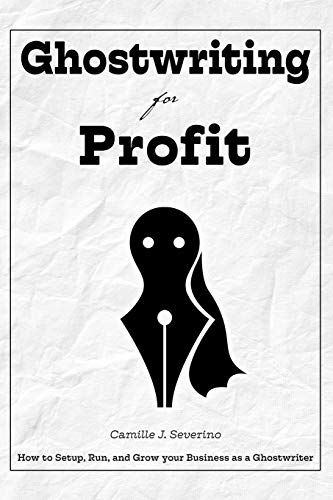
This book is an easy to follow comprehensive guide on how to start your own ghostwriting business, where to find work, and what to expect from potential clients.
Building Credibility with References and Samples
Corporate clients often dedicate a sizable portion of their budget to a major publication or content series, so they expect strong proof of capability, including references, testimonials, and samples that match their industry standards and demonstrate your ability to reflect someone else’s voice.
- Show Relevant Work: Select samples that mirror the structure, tone, and depth expected in the client’s specific industry.
- Prepare References: Keep references up to date so clients can quickly verify your professionalism and track record.
- Demonstrate Versatility: Highlight projects where you successfully adapted to a client’s preferred style or communication needs.
- Support Due Diligence: Understand that legal marketing and leadership teams may all review your materials during evaluation.
- Use Clear Examples: Provide work that illustrates not just good writing but your ability to translate a client’s ideas accurately and consistently.
Marketing Hype and Reputation Risks
Many posts and offers promise that business ghostwriting is always booming and effortlessly high-paying. Overstating demand, underestimating competition, or implying easy money can mislead new Writers and hurt your credibility when reality looks very different from the marketing language they encountered.
Some writers share enthusiastic claims like the one below, which may be aspirational but not universal. Treat this kind of messaging as one perspective, not a reliable description of typical earnings or client behavior in every situation.
It doesn’t matter where you are starting from; this book can help you build a solid author business in eight simple steps. You’ll love this book because it demystifies confusing information and gives you a plan of action

Working Within Corporate Structures
Business ghostwriting rarely fits a purely flexible lifestyle. Clients often expect regular progress reports, structured meetings, and coordination with marketing or project managers. You must be comfortable collaborating within timelines you do not fully control.
There are plenty of scheduling tools and systems, from digital calendars to old-fashioned planners. Whatever you choose, recognize that there will be compromises; your preferred working hours may not always align with stakeholders’ availability across multiple time zones.
Showing Up as a Professional Partner
Even if you write from home, clients evaluate you as a business partner rather than a casual remote worker. That means clear communication, reliable follow-through, and professional presence during video calls with the marketing team or leadership, not just delivering polished drafts.
You may identify as an independent freelancer, but clients will still expect you to adapt to their communication norms, documentation standards, and review processes. Discipline and willingness to compromise on your ideal workflow are critical to building repeat business.
It doesn’t matter where you are starting from; this book can help you build a solid author business in eight simple steps. You’ll love this book because it demystifies confusing information and gives you a plan of action
Managing Deadlines, Milestones, and Payment Structures
Business ghostwriting often involves tight timelines and milestone-based payments tied to draft delivery, revisions, or launch dates, so delays affect both your cash flow and the client’s marketing plan, making disciplined scheduling essential for writers who want to earn reliably and train their workflow for consistent delivery.
- Plan Rigorously: Break projects into clear phases so deadlines and submission dates feel manageable and predictable.
- Track Milestones: Monitor draft progress and revision cycles to avoid bottlenecks that could delay payments or disrupt client plans.
- Communicate Early: Notify clients quickly if a timeline risk appears so adjustments can be made without damaging trust.
- Protect Quality: Maintain strong standards even under pressure to ensure your work remains accurate, polished, and reliable.
- Evaluate Bonuses: Consider performance-based incentives carefully and ensure bonus terms align with realistic project scope and expectations.
Assessing Whether You Truly Have the Time
Business ghostwriting competes with many other obligations: existing clients, family, marketing your services, and recovering from demanding deliverables. Underestimating the time required can lead to rushed work, missed deadlines, and damaged relationships that follow you across industries.
For many, the most sustainable path is gradual. Some Writers maintain more conventional ghostwriting or content work while cautiously testing one or two business projects, then adjust their mix based on realistic demand, energy, and financial results rather than hype.
Find the Best Remote Jobs for You
- 100% verified work-from-home jobs
- Full-time, part-time, and freelance jobs
- Entry-level to executive roles
- No ads, scams, or junk

Further Guidance & Tools
If you are considering business ghostwriting, it helps to study the craft, understand client expectations, and learn from experienced professionals who share both the rewards and the challenges of this path.
- Craft Skills: Explore Writer’s Digest for guidance on ghostwriting fundamentals, including client communication and project planning.
- Client Perspective: Read advice on Reedsy to understand how publishers and authors evaluate ghostwriters and structure long-term collaborations.
- Business Practices: Visit FreelanceWriting.com for insight into pricing, contracts, and protecting your professional reputation.
- Ethics Check: Review discussions on Poynter about writing ethics to clarify your boundaries and approach to attribution and confidentiality.
- Market Research: Use Upwork’s resources to gauge real-world rates, project scopes, and demand for specialized business ghostwriters.
Next Steps
Moving thoughtfully is the best way to decide whether business ghostwriting fits your skills, risk tolerance, and long-term goals without sacrificing reputation, financial stability, or personal well-being.
- Audit Experience: List your existing business-related projects, then identify where your knowledge, strengths, and curiosity naturally align with specific industries or problem areas.
- Test Positioning: Draft a concise positioning statement and test it with trusted peers or mentors to see whether your niche and value proposition feel credible.
- Build Proof: Assemble a focused portfolio with two or three samples, even if lightly fictionalized, that demonstrate structure, clarity, and the ability to reflect a client’s voice.
- Pilot Projects: Take on one or two smaller corporate assignments and track time, complexity, and stress carefully to judge whether the experience matches your expectations.
- Review Boundaries: Define clear policies on timelines, revisions, confidentiality, and payment terms to protect your time and reputation before accepting larger engagements.
Final Words
Business ghostwriting can be a meaningful extension of your writing career, but it is not automatically glamorous or endlessly lucrative. It demands niche expertise, consistent professionalism, and an honest understanding of risk and reward.
By approaching this niche gradually, carefully analyzing each opportunity, and protecting your reputation at every step, you can decide whether corporate ghostwriting genuinely fits your skills, lifestyle, and long-term goals, rather than chasing promises that may never materialize.
If you are a freelancer wishing for better success, this book will help you get to the next level where you get paid top dollar and have the freedom to choose clients and projects.


Mark Fiebert is a former finance executive who hired and managed dozens of professionals during his 30-plus-year career. He now shares expert job search, resume, and career advice on CareerAlley.com.