- Key Takeaways
- Hybrid Workers are In-Demand
- Better Life and Work Balance
- Opportunities for In-Person Collaboration
- You'll Save Money on Gas
- You Won't Waste as Much Time Commuting
- You Can Get Jobs Further Away
- You Still Get the Same Great Company Benefits
- Hybrid Work Meets Business Strategy
- Employee Well‑Being and Health Benefits
- Boosted Productivity Through Focus and Inclusion
- Key Operational Advantages of Hybrid Models
- Challenges and Solutions in Hybrid Environments
- Future‑Ready Hybrid Workplace Design
- Next Steps
- Final Words
We may earn a commission if you click on a product link and make a purchase at no additional cost to you. For more information, please see our disclosure policy.
Last updated: July 17, 2025
Key Takeaways
- Hybrid Work is Gaining Momentum: Companies increasingly adopt hybrid models to balance in-person collaboration with the flexibility of
remote work . - Improved Work-Life Balance: Employees benefit from greater control over their schedules, which reduces stress and enhances personal well-being.
- Cost and Time Savings: Hybrid workers save significantly on commuting and fuel expenses, gaining back hours for personal or family activities.
- Wider Job Opportunities: Hybrid roles enable workers to apply for jobs farther from home without the need for complete relocation.
- Retained Company Benefits: Hybrid employees maintain access to full-time perks like healthcare, PTO, and training resources.
While there is a lot of chatter about working remotely nowadays, another model is emerging that many workers find even more satisfying. Hybrid work models offer more flexibility than traditional 9-5 in-office jobs, but still provide many of the same benefits. This typically means that an employee can work remotely some of the time while coming into the office on a set number of days per week or month.
Hybrid workers are on the rise, and for good reason, too. If you want to know why you should look into hybrid jobs, here are some of the top benefits of this work model.
Hybrid jobs are rising fast—and they’re not just a trend. From better work-life balance to in-person collab and career perks, hybrid work offers the best of both worlds. Explore why this model could be your most brilliant move yet. #hybridworkClick To Tweet
Hybrid Workers are In-Demand
Many offices are not yet ready to transition to an entirely remote workforce. Some don’t want to do it at all. This means that many of those companies are making compromises in where they let their employees work. These companies allow workers to work remotely a couple of days a week, while still expecting them to show up in the office a couple of days a week as well.
Many of the in-office days become meeting days for working on projects with co-workers. The days working from home become their most productive days, where they can dedicate concentrated blocks of time to work independently. This offers the best of both worlds, meaning that these hybrid workers are in higher demand.
Better Life and Work Balance
A hybrid workforce job allows you to work from home at least some of the time. You can work from the comfort of your own home, but also choose to work in a coffee shop or coworking space. You can even spend time working on the road and find yourself in hotels, libraries, or parks. Being able to work remotely part-time offers employees the opportunity to spend more time with family and friends, which can help improve their work-life balance.

Best work from home jobs and remote jobs in over 50 categories for professionals, digital nomads, telecommuting workers and entry level jobseekers.

Opportunities for In-Person Collaboration
In-person meetings have many benefits. They can improve productivity, morale, creativity, and communication. It’s much easier to hear people in person than it is through a Zoom call, as well. In a hybrid workforce job, you will be able to attend in-person meetings with your colleagues. This is one of the most significant advantages of this type of work, as face-to-face interactions often yield better results than virtual ones.
It’s also easier for people to bond when they meet in person rather than over the phone or via video chat platforms like Skype or Google Hangouts. In-person brainstorming sessions are also more productive than virtual ones. Plus, when companies use a desk booking app, you can even book a spot next to the people you need to work with when you’re in the office.
Find the Best Remote Jobs for You
- 100% verified work-from-home jobs
- Full-time, part-time, and freelance jobs
- Entry-level to executive roles
- No ads, scams, or junk
You’ll Save Money on Gas
One of the benefits of hybrid work models is that you can save money on gas. Instead of commuting to the office 5 days a week, you may find that you’re only in the office 2-3 times a week. This can save you money on fuel and car maintenance over time. When you can work from home more often, you’re more likely to make other choices that keep you close to home.
You Won’t Waste as Much Time Commuting
Another positive aspect of hybrid work is that you won’t waste as much time commuting. Spending an hour or more per day in the car to drive to and from work is a waste of time. You could be using that time for your hobbies, to rest, or even to spend more time with kids and family.
You Can Get Jobs Further Away
Do you live close to a big city, but commuting 5 days a week would be burdensome? When you choose a job with a hybrid model, you may be able to look for jobs in the city. When you only have to commute twice a week, that extra time in the car or on public transportation won’t feel as burdensome.
A traditional job would require relocation and possibly even a new apartment or house rental. However, by commuting less, you may be able to stay living in your home while also taking advantage of new opportunities in the city.

Work from Home Essentials: Optimize your home office with an ergonomic chair, standing desk, good lighting, and essential desk items for maximum productivity.
You Still Get the Same Great Company Benefits
One of the most significant benefits of a hybrid workforce job is that you still get all the same great company benefits as regular employees. This includes health insurance, paid time off, and other perks. Hybrid workers are often eligible for the same training and development opportunities as their in-office counterparts.
Hybrid Work Meets Business Strategy
The modern hybrid work model is no longer just a perk—it’s a strategic asset that aligns with evolving business goals and operational efficiency. Today, leaders tailor hybrid arrangements to suit teams based on function and mission, rather than applying a uniform policy. For example, sales teams might work in the office multiple days for client engagements, while R&D teams collaborate in concentrated bursts, then focus remotely.
This approach aligns with cutting-edge trends, where autonomy is combined with purpose, resulting in structured yet flexible workflows that enhance both productivity and morale.
Employee Well‑Being and Health Benefits
When employers thoughtfully implement hybrid schedules, the result is a healthier, more resilient workforce. Hybrid employees consistently report fewer sick days, lower stress levels, and improved lifestyle habits, including attending medical appointments, exercising, and preparing nutritious meals. These improvements stem from balanced work environments that alleviate the strain of commuting.
Over time, reduced absenteeism and improved mental health lead to increased energy and creativity in daily tasks, making hybrid models a win for both wellness and workplace performance.
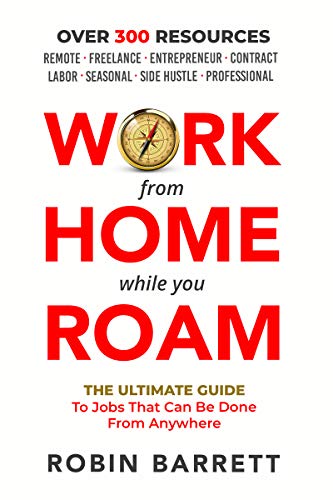
Forget the old concept that you must work now and live later. Escape the endless cycle that takes you from work to home then work again. Relieve financial tension without working a second job.
Boosted Productivity Through Focus and Inclusion
Hybrid work enables workers to harness dedicated focus time at home while maintaining a sense of belonging through planned in-person collaboration. It addresses common productivity pitfalls by combining the solitude needed for deep work with scheduled opportunities for mentorship, brainstorming, and social engagement in the office. Organizations that optimize hybrid norms see an improvement in inclusion, as thoughtfully planned hybrid models ensure that remote workers aren’t sidelined during key decisions or informal interactions.
Key Operational Advantages of Hybrid Models
The operational benefits of hybrid setups extend across both company and employee dimensions, delivering tangible value and cost savings. The following list outlines critical advantages that support organizational growth and employee satisfaction:
- Real estate optimization: Reduce footprint costs and scale workspace dynamically using hot desks and collaborative zones.
- Lower overhead: Save on utilities, office supplies, and management while reallocating resources to high-value initiatives.
- Eco-conscious operations: Less commuting means reduced emissions, strengthening sustainability credentials and corporate responsibility.
- Broader hiring reach: Recruit from global or geographically diverse talent pools without necessitating full-time relocation.

Building High-Performing Organizations That Thrive In The Virtual Workplace
Challenges and Solutions in Hybrid Environments
While hybrid models offer flexibility, they also pose challenges, particularly in maintaining communication consistency and team cohesion. Remote employees may miss out on spontaneous hallway conversations or serendipitous collaboration moments, which can impact innovation.
Leading companies address these gaps by implementing inclusive communication protocols, offering professional development sessions, and providing virtual mentorship programs that are scheduled in conjunction with office hours. By intentionally bridging distance, they preserve culture and ensure equity for all team members.
Future‑Ready Hybrid Workplace Design
Forward‑thinking firms are reshaping physical spaces to support hybrid work effectively. Offices are being transformed into dynamic hubs featuring hot‑desking zones for focused work, collaborative studios for group creativity, and quiet rooms for undisturbed calls. These spaces are often booked via shared apps to align with hybrid schedules and team needs.
Integrating intelligent meeting tools and asynchronous platforms further enhances the balance between remote and in-person meetings, providing a more effective approach to meeting management. As hybrid becomes the standard, office environments will continue evolving to support agile and inclusive work experiences.
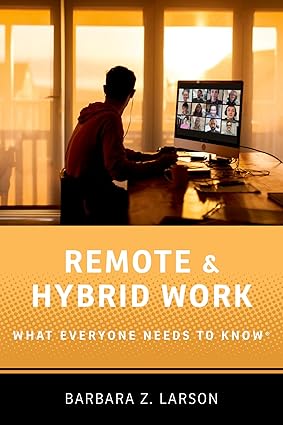
This book offers a clear, research-backed overview of how remote and hybrid work are reshaping employees, managers, teams, and organizations. It explains the challenges, benefits, and best practices for succeeding in today’s evolving workplace.
Next Steps
- Evaluate Your Ideal Work Setup: Reflect on your personal and professional needs to determine how a hybrid role could enhance your daily routine and long-term goals.
- Search for Hybrid Job Listings: Use filters on
job boards like LinkedIn, Indeed, and FlexJobs to find current openings offering flexible, hybrid arrangements. - Update
Your Resume Strategically: Highlight your adaptability, collaboration, andremote work experience to align with what hybrid employers are looking for today. - Ask Smart Questions in Interviews: Inquire about the company’s hybrid policy, in-office expectations, and tools used to support remote collaboration and communication.
- Prepare Your Home Office Space: Ensure your
remote work area supports focus and comfort with essential tools, such as a webcam, reliable Wi-Fi, and ergonomic seating.
Final Words
Hybrid work has quickly evolved from a temporary

Working from Home: Making the New Normal Work for You provides readers with a detailed strategy on how to turn working from home into a powerful career choice.

Mark Fiebert is a former finance executive who hired and managed dozens of professionals during his 30-plus-year career. He now shares expert job search, resume, and career advice on CareerAlley.com.