We may earn a commission if you click on a product link and make a purchase at no additional cost to you. For more information, please see our disclosure policy.
Last updated: March 29, 2025
The world of work has changed rapidly in recent years, thanks mainly to the technological revolution. This has brought opportunities in new fields, such as social media marketing, app design, and augmented reality, and changed inflexible work arrangements.
Unfortunately, many people find that getting the job of their dreams is far harder than they had anticipated. How can you stand out in this ultra-competitive
What This Article Covers
- How to Make
Your Resume Stand Out: Learn why a well-crafted resume isn’t enough and how highlighting key skills can improve your chances of landing a job. - Problem-Solving and Critical Thinking: Discover why employers value analytical thinking and structured decision-making to navigate challenges and drive innovation.
- Time Management for Workplace Success: Explore essential
time management strategies to increase productivity, meet deadlines, and reduce work-related stress. - Adaptability in a Changing Job Market: Understand how embracing change, continuous learning, and flexibility can help you stay competitive in evolving industries.
- Key Traits Employers Look For: Gain insight into the importance of leadership potential, strong communication, and the ability to work well within a team.
- How to Showcase Your Skills Effectively: Learn how to present your unique skills that align with job descriptions and employer expectations.

Expert Resume Writers. Affordable prices up front. Try us today and get the job you want! A professionally written resume can get you hired faster and at a higher salary.

Problem-Solving Skills: Analyzing and Overcoming Challenges
Strong problem-solving skills are essential for navigating workplace challenges and making strategic decisions. Employers value individuals who can assess complex situations, identify potential solutions, and implement effective strategies. Whether troubleshooting technical issues, optimizing workflows, or resolving customer concerns, professionals with strong problem-solving abilities drive efficiency and innovation. To enhance these skills, focus on developing analytical thinking and structured decision-making approaches. Successful problem solvers use a combination of logic, creativity, and adaptability to find the best solutions for any situation.
Time Management: Maximizing Productivity and Efficiency
Effective time management ensures productivity and helps professionals meet deadlines without compromising quality. Mastering this skill involves prioritizing tasks, minimizing distractions, and efficiently allocating time to different responsibilities. To improve
- Prioritization: Identify the most critical tasks and allocate time accordingly to maintain focus on high-impact activities.
- Task Batching: Group similar tasks together to reduce time lost when switching between different types of work.
- Setting Deadlines: Establish realistic timelines for completing tasks to maintain accountability and prevent last-minute rushes.
- Using
Productivity Tools : Leverage digital calendars, to-do lists, and time-tracking apps to stay organized and manage workloads effectively.
Developing strong time management skills enhances efficiency and reduces stress, ultimately improving overall performance and job satisfaction.

Become focused, organized, and calm with Todoist. The world’s #1 task manager and to-do list app. Todoist is the personal and team task manager used by over 25 million people to keep track of everything from work projects to birthday reminders.
Adaptability: Thriving in a Changing Work Environment
In an ever-evolving job market, adaptability is crucial for professionals to stay competitive. Those who embrace change, quickly learn new tools, and adjust to shifting demands are more likely to succeed. Adaptability fosters resilience, ensuring that employees remain valuable in dynamic industries. To strengthen adaptability, professionals should focus on:
- Continuous Learning: Stay updated with industry trends and invest in acquiring new knowledge and skills.
- Open-Mindedness: Approach change with a positive attitude and be willing to explore new ways of working.
- Flexibility: Adjust quickly to new roles, technologies, or workflows without hesitation.
- Problem-Solving Under Pressure: Develop the ability to make quick, effective decisions in unpredictable situations.
A workforce that embraces adaptability is better prepared for future challenges, ensuring long-term career growth and organizational success.
Social Media Skills
You may see social media as a hobby or something you do in your spare time, but it is a vital marketing and communications tool for many businesses. Many people with senior roles at companies are of a generation that grew up without social media, so they may not be the best at getting the most out of it.
The good news is that they know their limitations and seek individuals with strong social media skills to help them achieve their company’s goals. If your resume demonstrates a love, understanding, and ability to implement a social media plan, it will make you an attractive candidate to potential employers. You can use your skills to promote the company’s social media plan.

Want a new job or career? Need to demonstrate more value to customers or employers? Use today's hottest social media platforms to build the powerful personal brand that gets you what you want!
Leadership Skills
It sounds like a cliché, but employers are always looking for those who have the potential to move up in the organization and inspire and lead people. If you have recently graduated or only have a few years of experience, you may not easily be able to demonstrate your skills as a natural leader, but there are other ways you can do this.
Did you run a society or organization at college or university? Have you held a part-time job where you were given responsibilities greater than your initial remit? Have you solved some significant problems or implemented a large-scale project? These can all demonstrate to an employer that you are a potential leader. Ensure that you present these experiences in the best possible in
Communication Skills
Another skill I’m sure you’ve heard before, but whatever your line of work, this skill will allow you to progress through the corporate ranks and reach your true potential. Communicating effectively (both upwards and downwards) can help you achieve goals and promotions and earn the respect of your colleagues and managers. However, communication is a two-way street, and great listening skills go hand-in-hand with verbal communication.
Equally important are written communications, whether via

Leadership Step by Step walks readers through what to do and how to do it in an integrated and comprehensive progression of exercises designed to cultivate key abilities, behaviors, and beliefs through experience. The 22 exercises in this hands-on book help you accomplish the inner work and gain the social skills required for great leadership.
Coaching Skills
Coaching co-workers and subordinates and understanding when you need coaching is a key skill. It can open doors to much more than a new job. Innovative businesses know the importance of having a dedicated coach or trainer on site who can ensure that their staff is always employing best practices. Many companies also have bespoke in-house training courses that all new employees must complete, which means they also need qualified and enthusiastic coaches to deliver them.
The key to a successful career in today’s competitive marketplace is to have several in-demand skills in which you excel and to be able to demonstrate your passion in these areas. Whether you are fluent in a language, an accomplished blogger, a design genius, a natural leader, or an excellent communicator, these can all help you stand out.

12 key principles for effectively managing projects, teams, and organizations, emphasizing collaboration, leadership, and strategic execution.
Teamwork
Okay, so this one isn’t a secret. Still, it’s imperative to mention because of the rise in the complexity of technology and how it is implemented in the workplace. Collaboration skills are essential because great business leaders must be charismatic and demonstrate the ability to work within (and respect) teams. As mentioned above, communication is also a key part of this. The old saying, “Actions speak louder than words,” rings true when motivating employees to help the company succeed. Great leaders win the trust and confidence of their employees by demonstrating that teamwork delivers the best results.
Make it Relevant
Okay, this may not sound like a skill, but it is. This is where creativity and understanding the job responsibilities come into play. Regardless of what you’ve done in the past, you must find a way to link that experience to the experience required to meet the demands of the prospective job.
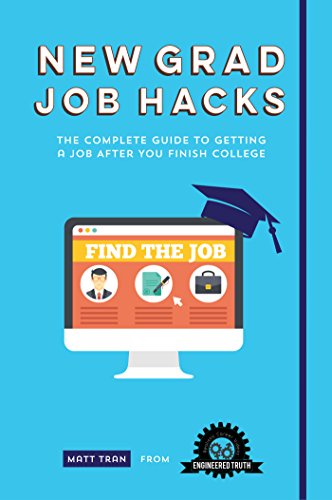
Career expert YouTuber and blogger Matt Tran explains step-by-step how to make the most of your degree.
Summary
Common skills that transcend job types include communication, teamwork, organization, and leadership. You will not get the job if you can’t find specific skills that translate directly to the new job’s duties and your interviewer’s needs.
Above all, be confident in your skills, never undersell yourself or your achievements, and land the job of your dreams.

Don't waste days, weeks and months following the job search "rules." Learn how to take charge and get offers for the work you love at the price you're worth.

Joey Trebif is the pen name of Mark Fiebert, a former finance executive who hired and managed dozens of professionals during his 30-plus-year career. He now shares expert job search, resume, and career advice on CareerAlley.com.