- Key Takeaways
- Choose the Writing Role You Want
- Build a Focused Writing Portfolio
- Create Samples Without Waiting to Be Hired
- Use Freelance Work as Career Evidence
- Make Your Work Easy to Find
- Build Relationships Before You Need a Referral
- Show Editing, Strategy, and AI Judgment
- Tailor Every Application and Prepare for Tests
- Further Guidance & Tools
- Next Steps
- Final Words
- Additional Resources
We may earn a commission if you click on a product link and make a purchase at no additional cost to you. For more information, please see our disclosure policy.
Last updated: July 16, 2026

Key Takeaways
- Pick a Specialty: Target a specific writing role so your portfolio, resume, and applications demonstrate relevant expertise rather than general enthusiasm.
- Prove Your Ability: Employers need focused samples that demonstrate research, audience awareness, editing judgment, brand voice, and measurable business value.
- Create Strategically: Build credible samples through self-directed projects, selective freelance assignments, volunteer work, or thoughtful rewrites without accepting endless unpaid labor.
- Show Professional Judgment: Explain your process, fact-checking, revisions, collaboration, and responsible AI use rather than presenting polished copy without context.
- Apply Precisely: Tailor your strongest samples and application materials to each employer, then prepare to discuss decisions during writing tests and interviews.
Landing a full-time writing job requires more than saying you love to write. Employers want evidence that you can understand an audience, follow a brief, research accurately, revise under feedback, and produce useful work on deadline. A focused portfolio and a clear professional story make those abilities easier to verify.
Everybody Writes is a practical reminder that professional writing is a business skill, not simply a creative identity. Your goal is to show how your writing helps a company inform, persuade, support, educate, or retain a specific audience.

"Write Your Way To Millions" is a step-by-step guide on how to establish yourself as a credible expert within your field through writing. It gives concrete suggestions and examples of how to improve upon your writing skills.

Choose the Writing Role You Want
“Writer” covers many different jobs. Content writers produce articles, newsletters, and case studies. Copywriters develop campaigns, landing pages, and product messaging. Technical writers create documentation, while communications specialists prepare organizational content. Other paths include UX, grant, medical, editorial, and search-focused writing.
Review current job descriptions and identify the formats, industries, tools, and results that appear repeatedly. Those patterns should shape your portfolio and skills plan.
Select one primary target and one closely related alternative. Presenting yourself as every type of writer can make an otherwise capable candidate appear unfocused.
Readers who are also considering independent work can compare broader options in turning a passion for writing into a career. This article focuses specifically on earning a staff or salaried writing position.
Looking to set your own hours or make some extra cash? Take a look at our side hustle partners.

Build a Focused Writing Portfolio
A strong portfolio usually needs a small number of excellent, relevant samples rather than dozens of unrelated pieces. Include three to six items that resemble the employer’s actual work. A software company may value a product page, a customer story, a help article, and a research-based blog post. A nonprofit may prefer donor communications, a campaign page, an impact story, and a grant-related sample.
For each sample, explain the audience, objective, your contribution, and outcome. Include accurate performance evidence when available, but never invent metrics or disclose confidential information. Show range within your specialty through different formats, tones, and audience needs.
Create Samples Without Waiting to Be Hired
You do not need permission from an employer to create relevant proof. Write a mock landing page for a real type of product, produce a reported article on an industry topic, rewrite a confusing help page, or create a short
Give each self-directed sample a realistic brief covering audience, objective, voice, length, channel, and call to action. Save the draft and revision so you can discuss your decisions during interviews.
Selective volunteer or community work can also help, but avoid open-ended arrangements in which an organization expects professional production indefinitely without compensation. Agree on a defined project, deadline, approval process, and permission to use the completed work in your portfolio.
Do the work you love, your way. Build rewarding relationships in the world’s Work Marketplace. Your home for the work you want.
Use Freelance Work as Career Evidence
Freelance assignments can produce samples, references, and proof that you manage deadlines. Treat them as a bridge to a full-time job and prioritize projects aligned with your target role.
The Freelancer’s Bible offers broad guidance on managing independent work, while Because Money Matters addresses the financial side of freelancing. Use contracts, define revision limits, protect confidential information, and request permission before displaying client work.
Freelancing alongside another job also requires boundaries. Time Management by Brian Tracy may help you structure focused work blocks, but do not accept deadlines that will damage your primary employment or the quality of your samples.

The Freelancer’s Bible will help those new to freelancing learn the ropes, and will help those who’ve been freelancing for a while grow and expand.
Make Your Work Easy to Find
Create a simple portfolio site with a positioning statement, selected samples, an about section, and clear contact information. Organize it so hiring managers can quickly find relevant work.
Your LinkedIn headline and summary should reinforce the same target role. Feature strong samples and describe relevant projects. Social posting is optional; credibility matters more than maintaining every platform.
A blog can help when it demonstrates expertise or supports your portfolio strategy. How to Be a Blogger and Vlogger in 10 Easy Lessons introduces content creation, but you do not need to publish constantly. A few useful, polished pieces are more persuasive than a neglected stream of rushed posts.
CareerAlley links to Blogging resources.

Build Relationships Before You Need a Referral
Professional relationships can lead to feedback, assignments, introductions, and staff openings. Use CareerAlley networking resources to strengthen your approach, then connect with editors, content leaders, communications managers, designers, marketers, and experienced writers.
Make outreach specific. Mention a project, article, presentation, or shared professional interest and ask a thoughtful question. Do not immediately request a job or referral from someone who does not know your work. Offer useful feedback, share relevant opportunities, and follow up after acting on advice.
Discover top networking resources to boost your career with CareerAlley. Explore platforms, tips, and tools for effective professional connections.

Show Editing, Strategy, and AI Judgment
Employers expect writers to contribute beyond drafting. Be prepared to discuss research, interviewing, search intent, accessibility, fact-checking, brand voice, collaboration, and performance. Show that you can improve weak copy, not merely generate more text.
AI tools may support brainstorming, outlining, transcription, or early revisions, but professional writers remain responsible for accuracy, originality, confidentiality, tone, and final decisions. Never upload protected company or client material into an unapproved system. In interviews, explain where AI helps your process, where it creates risk, and how you verify every output.
Tailor Every Application and Prepare for Tests
Match
Secrets from a Recruiter provides broader job-search guidance, but writing candidates should also expect portfolio discussions, editing exercises, or timed assignments. Clarify the audience, goal, format, deadline, and review criteria before beginning a test.
A reasonable test should evaluate a limited skill set without requiring a complete, publishable campaign for free. Save the instructions, proofread carefully, and be ready to explain your choices.
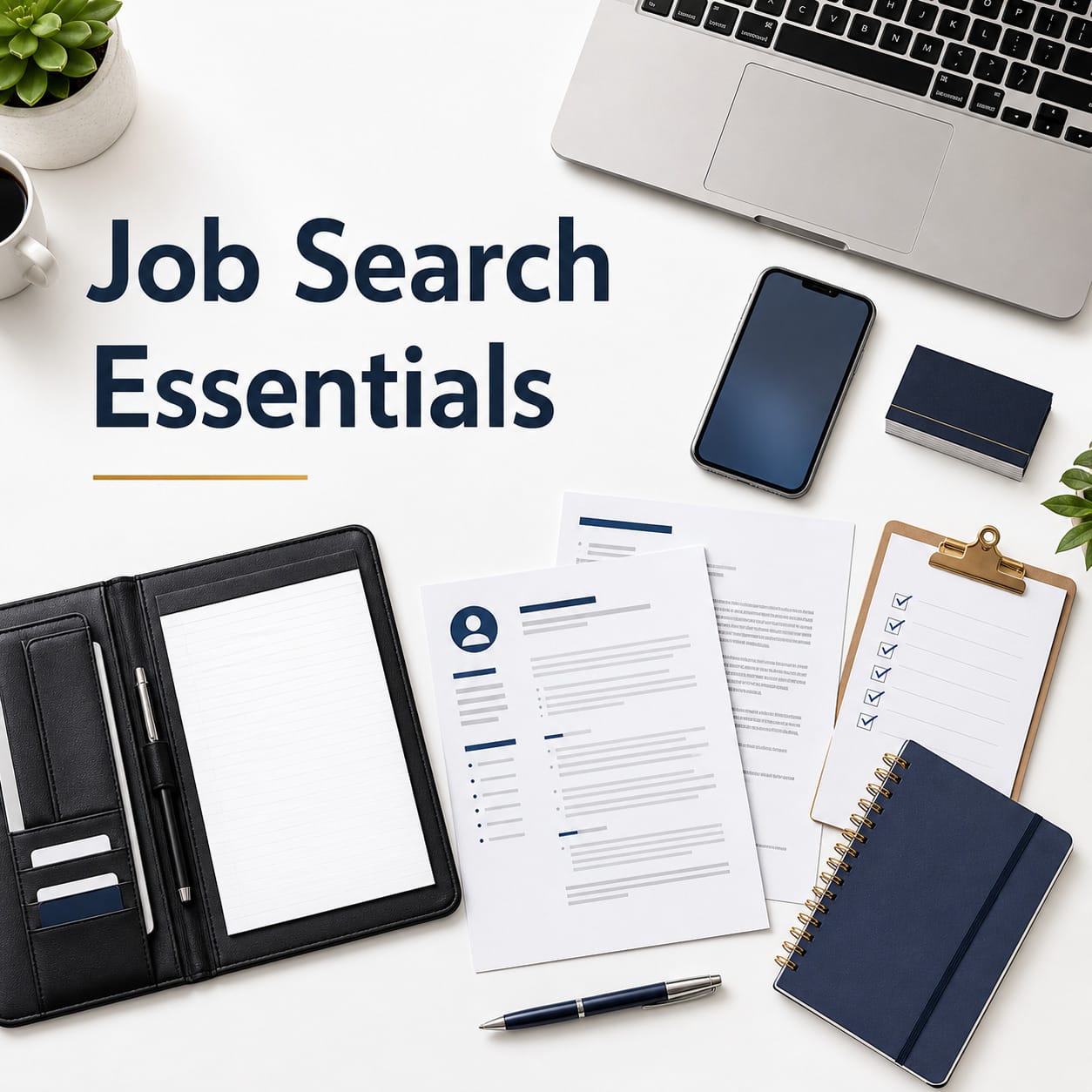
Job search essentials curated to help you prepare, stay organized, improve your resume, and approach interviews with more confidence.
Further Guidance & Tools
- Career Outlook: The Bureau of Labor Statistics’ writing career profile outlines typical duties, education, work settings, and employment outlook.
- Role Research: O*NET’s writers and authors profile helps you compare tasks, job titles, skills, and preparation requirements.
- Portfolio Visibility: LinkedIn’s Featured section guidance explains how to display selected work directly on your professional profile.
- Employer Skills: The NACE career-readiness framework outlines communication, critical thinking, professionalism, and other abilities employers expect candidates to demonstrate.
Next Steps
- Pick a Role: Choose one primary writing specialty and review fifteen job postings to identify recurring formats, tools, industries, and qualifications.
- Audit Samples: Keep only work that supports your target role, then identify two missing sample types employers repeatedly request.
- Create Proof: Write one realistic self-directed project with a brief, draft, revision, final version, and concise explanation of your decisions.
- Improve Visibility: Update your portfolio and LinkedIn profile so your specialty, strongest work, contributions, and contact information are immediately clear.
- Practice Interviews: Rehearse explaining your research, editing, feedback, results, and AI safeguards using two portfolio pieces as concrete examples.
We’re with you until you land your next job — placement support guaranteed. Four expert services. One simple fee. This personal, done-for-you, job placement support service has everything you need to find your next role.

Final Words
A full-time writing job is earned by making your professional value visible. Choose a clear target, build samples that resemble the work employers need, and explain the thinking behind each piece. Selective freelance projects, purposeful networking, and a focused online presence can strengthen your credibility, but quality matters more than volume. When your portfolio proves that you can research, adapt, revise, collaborate, and deliver responsibly, employers have a concrete reason to move your application forward.
Additional Resources
Looking to set your own hours or make some extra cash? Take a look at our side hustle partners.

Mark Fiebert is a former finance executive who hired and managed dozens of professionals during his 30-plus-year career. He now shares expert job search, resume, and career advice on CareerAlley.com.