- Key Takeaways
- Understand the Recruiter’s Role
- Know When to Use a Recruiter
- How to Find the Right Recruiter
- Craft a Strong First Impression
- Communicate Effectively
- Prepare Strategically for Interviews
- Follow Up Without Being Pushy
- Negotiate Offers With Confidence
- Watch for Red Flags
- Maintain Relationships Over Time
- Identifying Recruiter Specialties in Your Industry
- Building a Professional Profile That Attracts Recruiters
- Strategies for Staying in Touch Without Overwhelming Recruiters
- Positioning Yourself as a Thoughtful Candidate to Recruiters
- Using Recruiters to Enhance Your Interview Skills
- Maintaining a Recruiter Relationship Long After Placement
- Next Steps
- Final Thoughts
We may earn a commission if you click on a product link and make a purchase at no additional cost to you. For more information, please see our disclosure policy.
Last updated: July 30, 2025
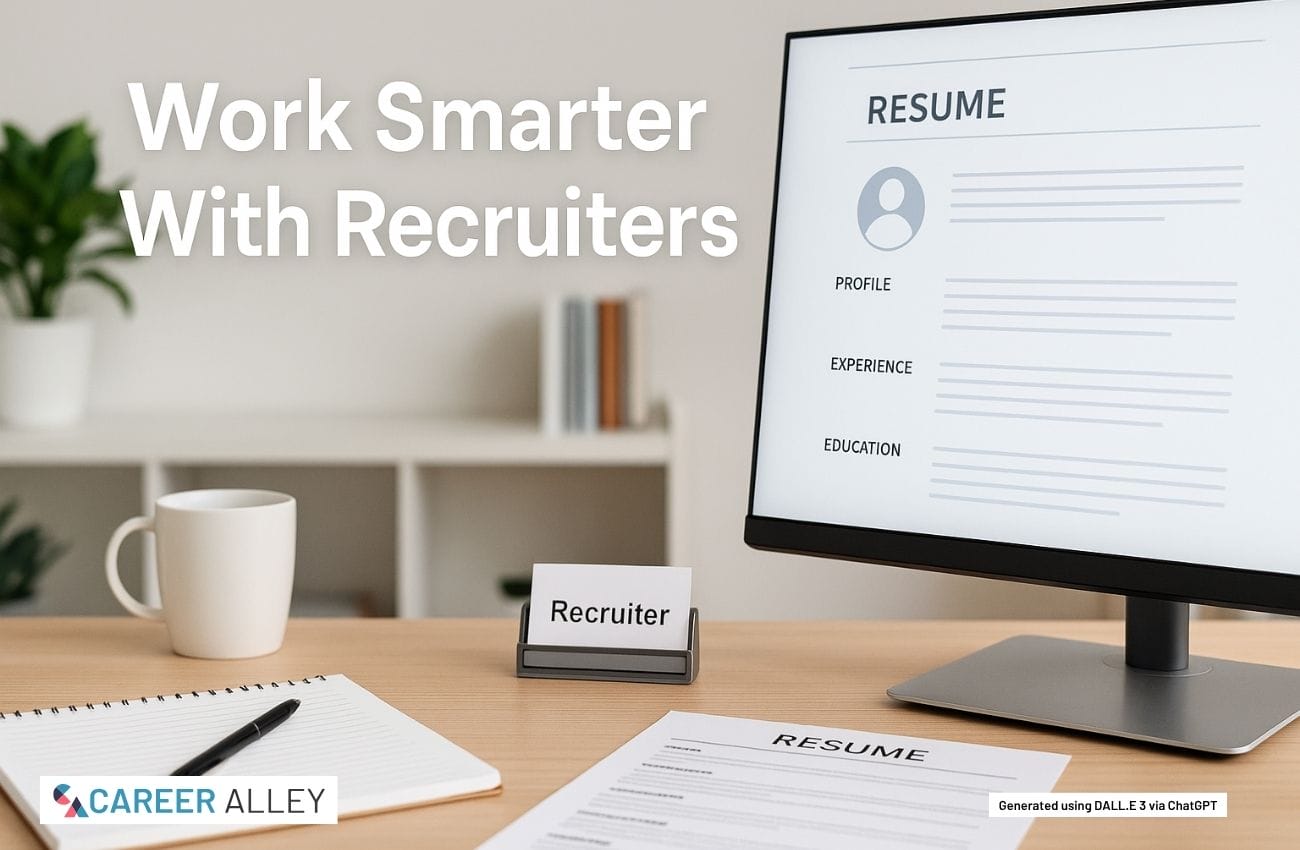
Key Takeaways
- Specialize your outreach: Collaborate with recruiters who understand your industry and role to enhance placement odds and ensure job matches that are well-aligned.
- Craft a standout profile: Optimize your LinkedIn and resume with role-specific keywords and measurable results to attract recruiter attention.
- Follow up with purpose: Maintain professional contact through regular, timely updates, shared successes, and career progress reports every few weeks.
- Leverage recruiters for prep: Use recruiter feedback and mock interviews to refine your approach and boost performance in real interviews.
- Maintain long-term relationships: After placement, stay connected by offering referrals and sharing milestones for future career opportunities.
Recruiters play a pivotal role in modern job searches—connecting candidates with unadvertised opportunities and helping them navigate hiring processes faster. But getting value from a recruiter takes more than submitting a resume. This article explores how to build productive recruiter relationships, avoid common missteps, and use recruiter insights to your advantage at every stage of your career search.
Understand the Recruiter’s Role
Companies hire recruiters to fill open positions quickly and efficiently. Some work in-house for a single employer, while others operate through staffing agencies representing multiple clients. Their loyalty is to the employer—not the candidate—so it’s essential to approach them as a strategic partner, not a personal advocate. Knowing this helps set the right expectations.

A behind-the-scenes look at how executive search works, and more importantly, how job candidates (from senior execs to mid-level professionals) can work with search firms effectively rather than being passive or ignored.

Know When to Use a Recruiter
Recruiters are most valuable when you’re mid-career or seeking specialized roles. They typically focus on jobs with salaries above $75,000, especially in industries like tech, finance, and healthcare. If you’re early in your career or exploring a central pivot, you may be better served by direct networking and company applications until your profile aligns with recruiter priorities.
How to Find the Right Recruiter
Focus on recruiters who specialize in your target industry or job function. Use LinkedIn to search by keywords and review their post activity. Look for those who consistently share relevant roles, have endorsements from peers, and demonstrate familiarity with your career track. Quality is more important than quantity—prioritize relationships with those aligned to your goals.

Stacked is a practical guide that helps job seekers double their interviews by optimizing LinkedIn, leveraging recruiters, and using proven networking strategies.
Craft a Strong First Impression
First contact should be brief and targeted. Introduce yourself with your job title, desired role, and a quick summary of your expertise. Attach a tailored resume in PDF format. Skip the generic
Communicate Effectively
Professionalism and responsiveness go a long way. Reply to recruiter messages within 24 hours. Confirm interviews promptly and keep them updated on your

Learn how to make a lasting first impression by understanding how others see you and mastering the seven fundamentals that shape every new encounter.
Prepare Strategically for Interviews
Recruiters often offer insights into what a hiring manager values. Use this to your advantage by asking about interview formats, decision-makers, and team dynamics. Apply what you learn to tailor your answers. The recruiter wants you to succeed—it reflects well on them too—so use their intel to show up informed, polished, and confident.
Follow Up Without Being Pushy
Follow-up helps you stay top of mind—but only when done with purpose. Keep it professional, polite, and relevant to your search goals. Avoid flooding their inbox. A thoughtful update every few weeks can make a bigger impact than daily check-ins.
- Be consistent: Send an update every 2–3 weeks with relevant news.
- Show progress: Mention new certifications, interviews, or referrals.
- Reaffirm goals: Remind them what type of role you’re seeking.

Are you fed up with being unemployed or not having the job you deserve? This book is exactly what you’re looking for! Get great tips and best practices for the modern job seeker STRAIGHT FROM A RECRUITING INSIDER with years of experience at one of the largest professional recruiting companies in the world.
Negotiate Offers With Confidence
A recruiter can be an effective buffer during offer negotiations. Discuss your salary expectations early, including any dealbreakers around bonuses, equity, or flexibility. When an offer arrives, ask them to clarify anything you’re unsure about. A good recruiter helps you advocate for your value while maintaining a positive relationship with the employer.
Watch for Red Flags
While most recruiters are legitimate professionals, a few should be avoided. Be cautious if anything feels rushed, vague, or off. Protect your time and reputation by disengaging from recruiters who don’t respect either.
- Opaque job descriptions: They refuse to name the employer or share a job spec.
- Fee requests: Legitimate recruiters never charge candidates.
- High-pressure tactics: They push you toward roles or salaries that don’t align.

Get 10X more Job Interviews with JobCopilot. 87% of JobCopilot users report more interview invitations within 2 weeks. Automatically apply to jobs from 50,000+ companies worldwide
Maintain Relationships Over Time
Landing a job doesn’t end the relationship. Send a thank-you message and stay in touch periodically. Share referrals or leads if you can. If you treat recruiters as long-term allies—not transactional contacts—you’ll stay on their radar for future roles that may be an even better fit down the line.
Identifying Recruiter Specialties in Your Industry
Understanding which recruiters specialize in your specific sector is critical for making real progress in your job search and ensuring you communicate with people who truly know the roles and hiring trends in your field. Spend time researching recruiter firms, checking their client lists, and verifying they regularly place roles in your industry. Look for recruiters who publish content or resources about career paths relevant to your area to validate their expertise and reputation for efficiency.

LinkedIn Secrets From a Top Executive Recruiter shows how to create a LinkedIn Profile that will get you noticed for your expertise. This book walks you through a step-by-step approach to creating a LinkedIn Profile that recruiters and hiring managers will notice.
Building a Professional Profile That Attracts Recruiters
Crafting a profile that demonstrates your value effectively increases recruiter engagement and positions you as a candidate worth investing in. Optimize your LinkedIn headline, summary, and skills section to reflect targeted roles and achievements, ensuring your messaging aligns with current market demand. Incorporate real outcomes—like project results, leadership roles, or promotions—to catch an attentive recruiter’s eye and encourage contact rather than passive scrolling by hiring managers.
Strategies for Staying in Touch Without Overwhelming Recruiters
Follow-up communication that stays professional yet persistent helps keep you visible in a recruiter’s candidate pool. When done right, this strengthens relationships without crossing into annoyance territory, allowing you to be remembered when relevant positions arise. The key is to keep interactions purposeful and spaced appropriately, providing updates that demonstrate progress or new qualifications while respecting their time and workflow.
- Update status: Share meaningful milestones such as new certifications or completed projects.
- Share value: Offer insights into your industry or links to relevant articles.
- Respect timing: Reach out every 3–4 weeks to stay on their radar.
- Use tools: Try a reminder app like Todoist to schedule follow-ups.
Explore Career.io, the only Al and human-powered platform where you can find everything you need. For any step of your job search or career growth. All in one place.
Positioning Yourself as a Thoughtful Candidate to Recruiters
Pursuing career opportunities proactively requires that you present yourself as someone who brings insight and expertise, not just availability. Engage in online forums, comment on relevant articles, or publish posts showcasing your knowledge—this demonstrates initiative and domain understanding. Recruiters often take notice when candidates contribute regularly to industry discussions or produce content that reflects deeper engagement with key trends or challenges facing employers.
Using Recruiters to Enhance Your Interview Skills
If you embrace recruiter coaching or feedback during the hiring process, you can significantly improve interview performance and project confidence. A recruiter can simulate
- Ask for mock interviews: Request a practice session to receive structured feedback.
- Use feedback: Focus on response tone, pacing, and question clarity.
- Record practice: Watch or listen to your mock session to self-assess your performance.

Expert Resume Writers. Affordable prices up front. Try us today and get the job you want! A professionally written resume can get you hired faster and at a higher salary.
Maintaining a Recruiter Relationship Long After Placement
Maintaining a connection with recruiters even after accepting an offer can yield dividends in future career growth, referrals, or new opportunities. Periodic check-ins, respectful updates about career changes, or even offering referrals can help you remain on their radar—and position you as a trusted professional. This long-term engagement helps cultivate ongoing relationships that can open doors to roles that align with evolving career goals.
- Send a thank-you
email : After placement, show appreciation to the recruiter. - Share milestones: Let them know when you’ve achieved promotions or certifications.
- Offer referrals: Refer qualified professionals from your network.
- Reconnect proactively: Reach out when you’re exploring new goals or industries.

Don't waste days, weeks and months following the job search "rules." Learn how to take charge and get offers for the work you love at the price you're worth.
Next Steps
- Research industry recruiters: Identify 2–3 recruiters who specialize in your field using LinkedIn or niche
job boards , then initiate contact professionally. - Revamp your LinkedIn profile: Update your headline, summary, and recent achievements to match the roles you’re targeting and improve search visibility.
- Schedule a resume audit: Review
your resume for alignment with current market demands and role-specific language using a tool like Resumble. - Set a follow-up cadence: Use a task manager or calendar to remind yourself to check in with recruiters every 3–4 weeks with relevant updates.
- Prepare with recruiter feedback: Ask trusted recruiters to conduct a brief mock interview or review your answers for clarity and confidence.

10 Ways Your Job Search Is Messing With Your Mind (Plus 43 Super-Practical Tips to Undo the Voodoo)
Final Thoughts
Recruiters can be a strategic advantage in your

Mark Fiebert is a former finance executive who hired and managed dozens of professionals during his 30-plus-year career. He now shares expert job search, resume, and career advice on CareerAlley.com.